Here's what to do when the smoke comes. Follow your asthma action plan, act when the air quality index turns orange, keep the air inside your home sealed and filtered, and know which symptoms mean it's time for medical care. Don't take your indoor air for granted! Wildfire smoke in Michigan usually drifts in from hundreds of miles away, and you can breathe it long before you see it. The Michigan tools below give you a head start, and the steps work whether the smoke lands in July or October.
TL;DR Quick Answers
Wildfire Smoke Michigan
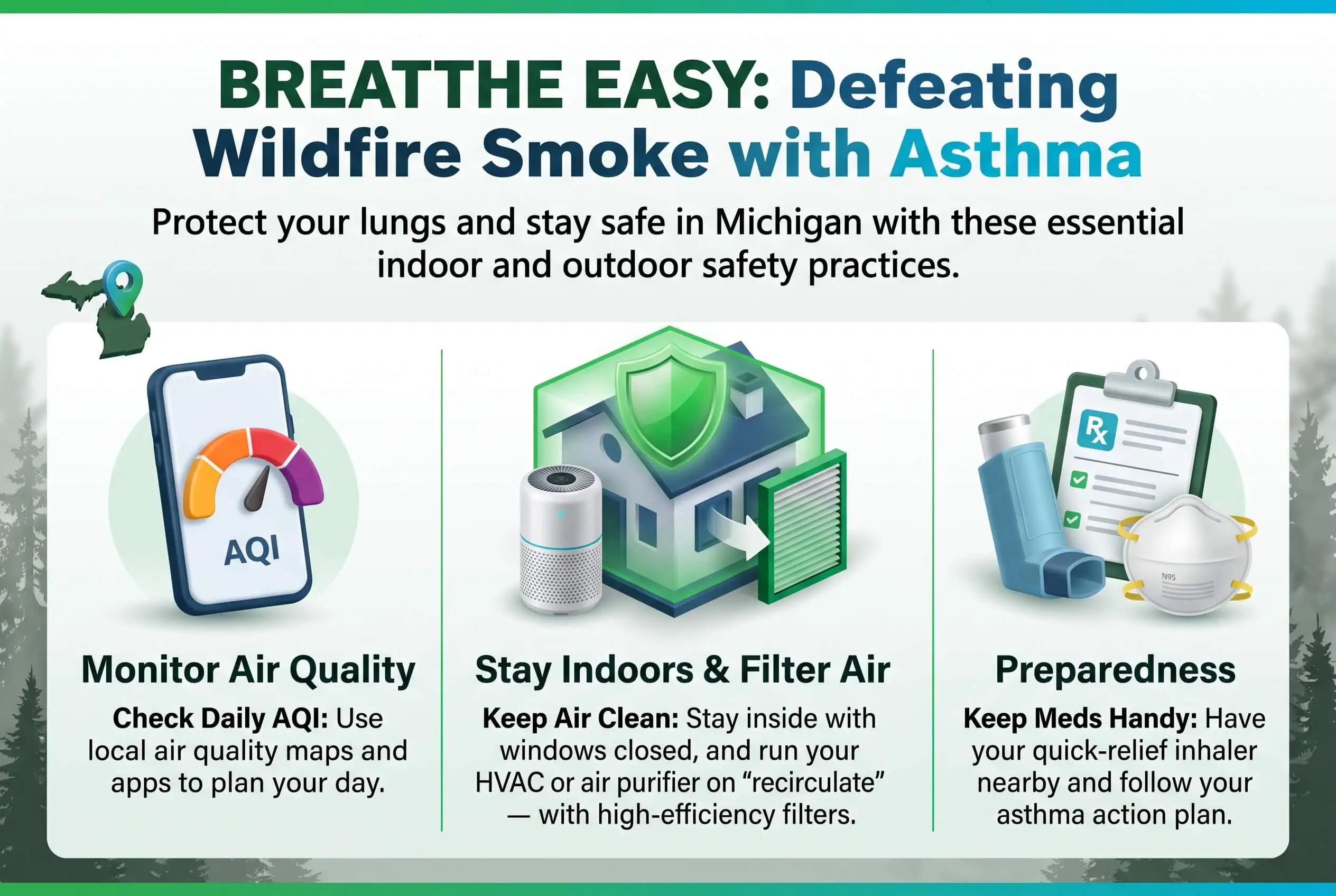
Wildfire smoke in Michigan usually drifts in from Canadian and Minnesota fires, and it can arrive well past summer, as the October 12, 2026 Upper Peninsula alert showed. When the AQI turns orange, sensitive groups should stay in. Close windows, set your system fan to ON, and filter with MERV 8.
Check the source: Most smoke rides north and northwest winds across the Great Lakes, so it can reach you with no fire nearby.
Get alerts early: Sign up for EnviroFlash and check MiAir for monitor readings near your home.
Act at orange: An AQI of 101 to 150 means children, older adults and anyone with asthma or heart conditions should limit time outdoors.
Control your indoor air: Keep windows shut overnight, run the fan continuously and check your filter halfway through a smoke event.
Mask smart: Cloth and surgical masks let fine particles through, and only a fitted N95 blocks them.
Top Takeaways
Plan during a calm week: Go over your asthma action plan with your provider before smoke season starts.
Treat orange as your signal: At an AQI of 101 to 150, air turns unhealthy for people with asthma, so that's when you act.
Keep alerts on through fall: Michigan issued an Upper Peninsula smoke alert on October 12, 2026.
Take charge of your indoor air: Close up, set the fan to ON and filter with MERV 13 if your system allows it.
Leave the cloth mask in the drawer: Only a fitted N95 blocks fine particles, and your provider should weigh in first.
Know your red flags: Call 911 if rescue medication stops working or speaking gets hard.
Why Wildfire Smoke Hits Asthma Harder in Michigan
The part of smoke that does the damage is PM2.5. These particles are small enough to slip past your nose and throat and settle deep in your lungs, where airways already prone to swelling get even more inflamed. That's how a manageable morning turns into a rough afternoon.
Most of the smoke that reaches Michigan comes from Canada's boreal forests, and sometimes from Minnesota, riding the wind across the Great Lakes. As I explained in my Minnesota wildfire smoke guide, wind direction decides whether smoke arrives or moves on. Michigan follows the same rule.
The health toll shows up in hospital data. During the 2023 Canadian fires, state syndromic surveillance recorded higher than expected asthma emergency visits across Michigan on one smoky day in late June.
Before Smoke Arrives: Build Your Asthma Smoke Plan
You'll handle a smoke day best if you planned for it during a clear week.
Review Your Asthma Action Plan With Your Provider
State health officials recommend a conversation with your health care provider before smoke season. Ask how your plan should change on bad air days, and what to do in your yellow zone when the outdoor air turns orange.
Sign Up for Michigan Air Quality Alerts
Enroll in free EnviroFlash alerts by email or text, and bookmark MiAir for statewide monitor readings. A 7 a.m. alert leaves you time to move practice indoors or push back a walk.
Stock Your Smoke Kit
Refill medications early so a smoke week never meets an empty inhaler.
Keep a few NIOSH-approved N95 respirators on hand, sized to fit.
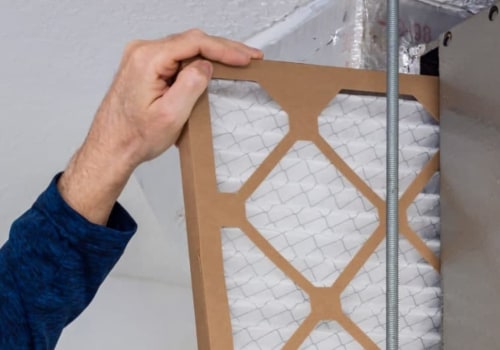
Store a spare MERV 13 filter in your furnace size, or the highest rating your system can handle. If allergies are part of the picture too, my notes on choosing a 20x25x1 filter for dust mite allergies apply here.
Pick a portable HEPA purifier rated for the room you'll use most.
Choose a Clean Air Room
Choose one room, usually a bedroom, with as few windows and exterior doors as possible. Anyone with asthma sleeps and spends most of their time there during a smoke event.
How to Read Michigan Air Quality Alerts When You Have Asthma
With asthma, orange is your action line. The AQI labels 101 to 150 as unhealthy for sensitive groups, and asthma puts you in that group. Once readings hit red, at 151 to 200, everyone feels it and your clean air room becomes home base.
Three agencies share the alert work in Michigan. The state environmental agency issues the alerts, the National Weather Service relays them, and the state health department adds health guidance during longer events. Before I make plans on a hazy day, I check the live Michigan wildfire smoke map for the monitors closest to home. A monitor reading tells you far more than the color of the sky.
During a Smoke Event: What to Do Hour by Hour
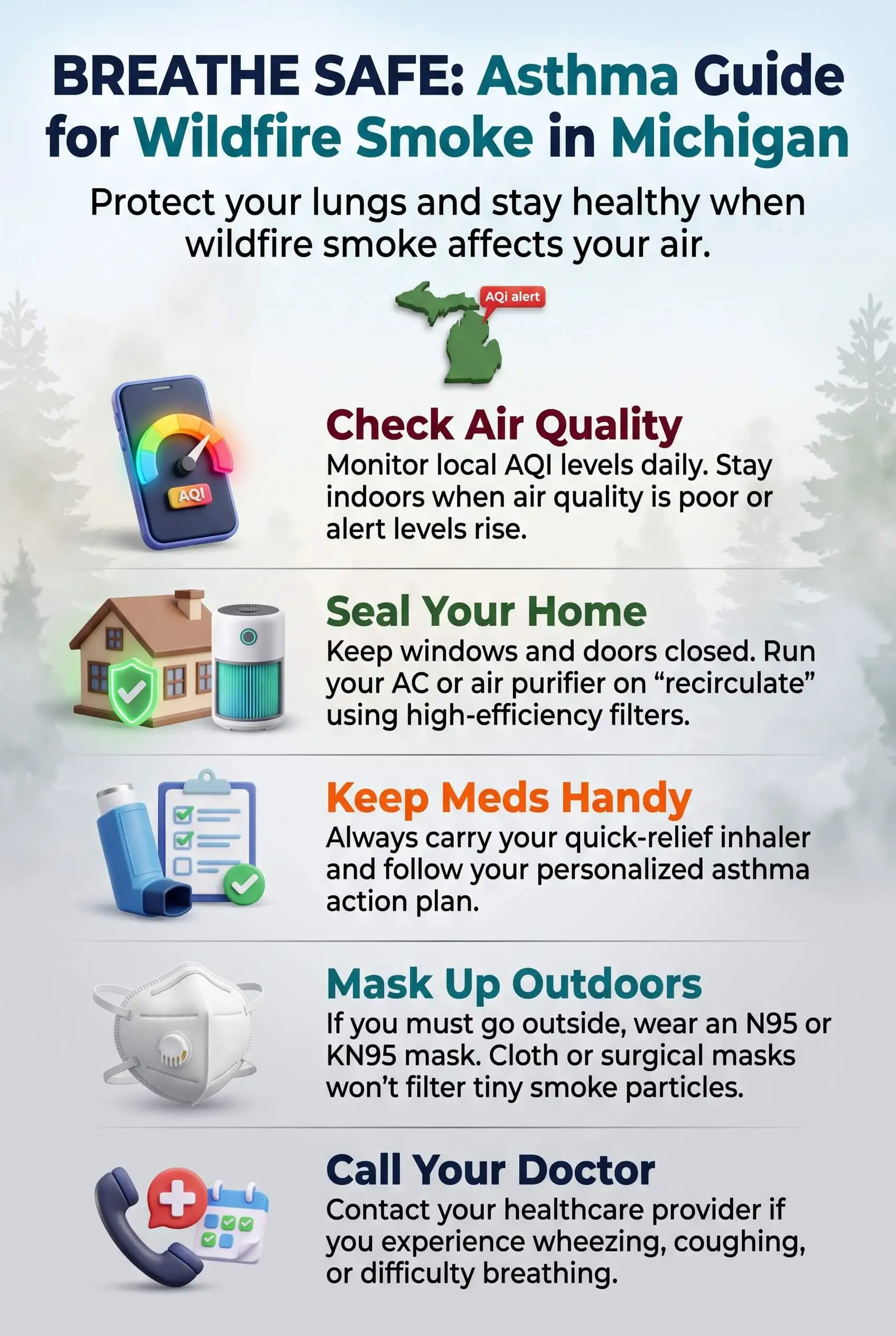
Stay in and close up. Shut windows and exterior doors, and keep them shut overnight.
Set your system fan to ON. Whether you're running AC or the furnace, a continuous fan keeps indoor air moving through the filter. Close any fresh-air intake or ventilator too.
Run the purifier in your clean air room. Keep that door closed.
Stop adding particles indoors. State health officials flag frying, broiling, smoking, candles, the fireplace and vacuuming during smoke events, so skip them until the air clears.
Take controller medication as prescribed. Keep your rescue inhaler within reach, not out in the car.
Move exercise indoors. Heavy breathing pulls smoke deeper into your lungs.
Save the N95 for necessary trips outside. Cloth and surgical masks let fine particles through. Check with your provider first, because a snug respirator can make breathing harder for some people with asthma.
Warning Signs That Mean You Need Medical Care
Call your provider if wheezing, coughing or chest tightness keeps coming back even though you're following your action plan. Call 911 if rescue medication isn't helping, you can't speak in full sentences, or your lips or fingernails look blue or gray.
Michigan residents with health questions about air quality can call the state health line at 800-648-6942. Dial 211 to find a clean air or cooling location nearby. Using high quality filters at home can also help reduce indoor smoke particles and improve air quality during wildfire events.
After the Smoke Clears: Reset Your Home
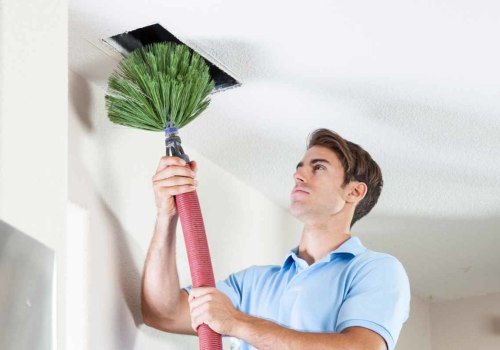
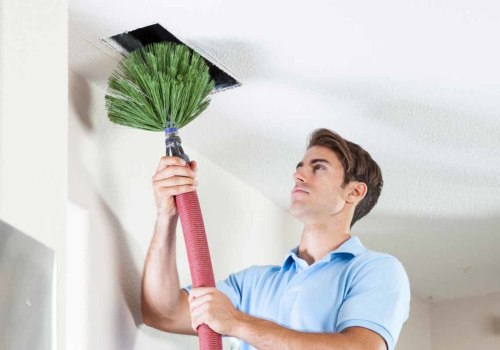
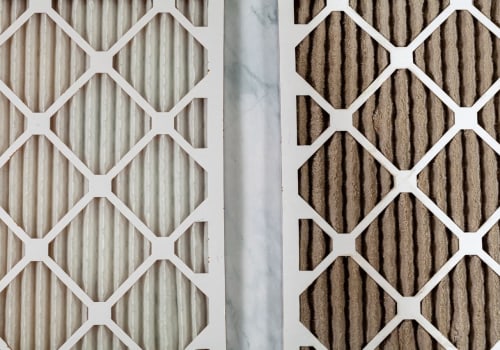
Wait for the AQI to return to green before you throw the windows open. Then pull your filter and look at it. A single smoke week can load a filter far faster than its rated life, and gray pleats mean it's time for a fresh one. Wipe settled ash from sills and hard surfaces with a damp cloth. When dust and odor keep coming back after several smoke seasons, regular air duct cleaning is worth a look. Keep watching for symptoms for a few days afterward, since flare-ups can show up after the air improves.
Pro Tip: Write your filter size on the inside of the furnace door. In the middle of a smoke week, you won't want to hunt for it.
"A clean air room is only as good as the filter feeding it. I've pulled filters that turned gray after one heavy smoke week, and by then the fan was pushing smoke around the house instead of trapping it. In any home where someone has asthma, checking the filter halfway through a smoke event is the one step I'd never skip."
7 Essential Resources
If someone in my home had asthma, these are the pages I'd keep open during a Michigan smoke event.
Your Health and Wildfire Smoke (Michigan Department of Health and Human Services). The state lays out smoke health risks and what to do at each AQI level.
Learn About Wildfires and Indoor Air Quality (US EPA). Plain steps to keep outdoor smoke from becoming indoor smoke.
Wildfire Smoke and Lung Health (American Lung Association). Tells people with asthma when to ask a doctor about medication changes for smoky days.
Extreme Heat, Fireworks, and Wildfires: A Trio of Asthma Hazards (Asthma and Allergy Foundation of America). Good smoke-day habits, like handing ash cleanup to someone without asthma.
Experts Urge Those With Asthma to Take Extra Care From Wildfire Risks (American College of Allergy, Asthma and Immunology). Allergists cover indoor triggers, masks and the symptoms to watch once smoke clears.
Asthma Action Plan (Allergy and Asthma Network). Walks through the green, yellow and red zones and links to printable plans, University of Michigan versions included.
Wildfire Smoke Prompts Statewide Air Quality Alert in Michigan (Michigan Public). Tracks how July 2026 smoke moved from the Upper Peninsula down to the Indiana border.
3 Statistics
850,000 people: As of 2021, about 699,000 Michigan adults and 151,000 children lived with asthma. The state recorded 3,390 asthma hospitalizations in 2020. Source: Centers for Disease Control and Prevention
Pediatric spike: When Canadian smoke rolled in during 2023, Michigan emergency departments saw higher than average asthma visits, and pediatric asthma hospitalizations climbed. Source: Munson Healthcare
22 alerts: Metro Detroit logged 22 air quality alerts for ozone and fine particles in 2023. Preliminary Cornell University estimates linked more than 100 Michigan deaths to that year's smoke. Source: Planet Detroit
Final Thoughts and Opinion
Most smoke advice stops a step too early. "Stay inside" assumes the air indoors is clean, and plenty of times it isn't. Picture a house with the fan on AUTO and a filter nobody has touched since spring. It can hold more smoke than anyone in it suspects. For someone with asthma, the outdoor AQI describes the lawn. What reaches their lungs depends on shut windows, a fan that keeps running, and a filter that can still catch fine particles.
I'd also argue against treating smoke as a July problem in Michigan, and this month's Upper Peninsula alert proves the point. The families who come through smoke days best make their decisions on a calm one. They choose the clean air room, write down the filter size and sign up for alerts while the sky is still blue. That small bit of planning is how you protect the people you love before the haze arrives.
Frequently Asked Questions
Can wildfire smoke trigger an asthma attack even if the fire is far from Michigan?
Yes. Smoke from Canadian fires regularly travels hundreds of miles into Michigan, and its fine particles stay small enough to reach deep into your lungs. Distance things smoke out without making it safe, so track the AQI where you live rather than news about where the fire is burning. Choosing the best air filter for home use can also help reduce your exposure to fine smoke particles indoors.
What AQI level is unsafe for people with asthma?
Orange, an AQI of 101 to 150, is unhealthy for sensitive groups, and people with asthma belong to that group. At orange, cut back on outdoor activity and follow your action plan. Once the reading climbs to red at 151 or higher, spend as much time as you can in your clean air room.
Do N95 masks help people with asthma during wildfire smoke?
A properly fitted N95 filters fine smoke particles. Clothes and surgical masks let them through. Because a snug respirator can make breathing feel harder, talk with your provider before you rely on one, and wear it only for trips outside you can't avoid.
Is wildfire smoke in Michigan only a summer problem?
No. Most smoke events land between late spring and late summer, yet Michigan issued an alert for five Upper Peninsula counties on October 12, 2026. Leave your alerts on through fall. Your furnace fan filters smoke the same way your AC does.
Does a MERV 13 filter help with asthma during smoke events?
State officials suggest MERV 13 for capturing smoke particles in central systems. It works best when you set the fan to ON, so air keeps passing through it all day. If your system can't handle MERV 13, use the highest rating it can.
Should kids with asthma skip outdoor sports on smoke days?
Once the AQI reaches orange, move practice or recess indoors for kids with asthma. Children breathe more air for their body size, which means they take in more smoke than adults do. Share your child's action plan with coaches and school staff before the season starts.
Breathe Easier Through Michigan's Next Smoke Event
You're the one in your household who keeps watch over the air your family breathes, and the planning you do on a clear day is what carries someone with asthma through a smoky one. Sign up for alerts, set up your clean air room and check today's readings before you head outside. Regular air quality tests can also help you understand how well your home is keeping harmful smoke particles out.