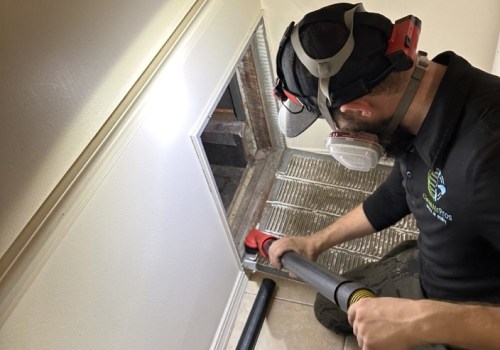
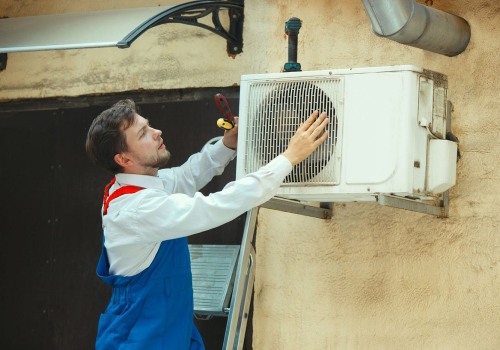
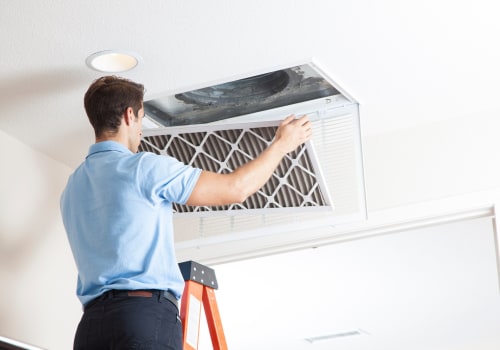
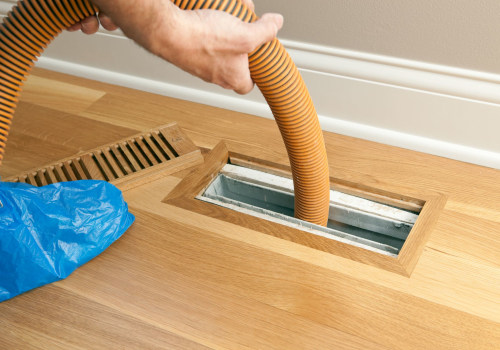
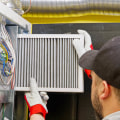
Air ducts are a crucial component of any heating, ventilation, and air conditioning (HVAC) system. They serve as the pathways through which conditioned air flows, ensuring that every corner of your home receives the temperature control and air quality necessary for comfort. Understanding the role of air ducts is essential for homeowners who want to maintain an efficient HVAC system and ensure a healthy indoor environment.In essence, air ducts are designed to distribute heated or cooled air throughout your living space. They work in conjunction with various HVAC components, such as furnaces, air conditioners, and heat pumps, to regulate indoor temperatures.
The efficiency of this system largely depends on the condition of the ducts themselves. When air ducts are clean and well-maintained, they facilitate optimal airflow, which can lead to lower energy bills and improved comfort levels.However, the importance of air ducts extends beyond mere temperature control. They also play a significant role in maintaining indoor air quality. Dust, allergens, and other pollutants can accumulate within the ductwork over time, potentially affecting the health of those living in the home.
This raises questions about the necessity of duct cleaning and whether it is a vital part of home maintenance or merely a service marketed by cleaning companies.As we delve deeper into the topic of duct cleaning, it is essential to separate fact from fiction. Many myths surround the need for regular duct cleaning, often leading homeowners to make decisions based on misconceptions rather than facts. By understanding how air ducts function within HVAC systems and their impact on both comfort and health, you will be better equipped to make informed choices regarding their maintenance.
Common Myths About Air Duct Cleaning
When it comes to air duct cleaning, numerous myths and misconceptions can cloud homeowners' judgment, leading them to make decisions based on misinformation rather than facts. Understanding these myths is crucial for making informed choices about your HVAC system and maintaining a healthy indoor environment.Myth 1: Air Duct Cleaning is Necessary Every Year
One of the most common misconceptions is that air duct cleaning should be performed annually.
In reality, the need for duct cleaning varies significantly based on several factors, including the presence of pets, smoking habits, and local environmental conditions. The Environmental Protection Agency (EPA)Environmental Protection Agency (EPA) does not endorse a routine cleaning schedule for ducts unless there are specific issues such as mold growth or pest infestations.
Myth 2: Duct Cleaning Improves Indoor Air Quality
Many believe that cleaning air ducts will automatically enhance indoor air quality. However, studies indicate that while duct cleaning can remove dust and debris, it does not necessarily lead to a significant improvement in air quality. Most dust particles settle in the ducts and remain undisturbed unless there is a major disturbance or cleaning event.
Therefore, if your ducts are not visibly dirty or contaminated, cleaning may not yield noticeable benefits.
Myth 3: All Duct Cleaning Services are the Same
Not all duct cleaning services are created equal. Some companies may use subpar equipment or techniques that can actually exacerbate problems rather than solve them. It’s essential to choose a reputable service provider that adheres to guidelines set by organizations like the National Air Duct Cleaners Association (NADCA). Look for certifications and customer reviews to ensure you’re hiring qualified professionals.
Myth 4: Duct Cleaning Eliminates Allergens
While it’s true that duct cleaning can remove some allergens from your home, it is not a cure-all solution for allergy sufferers.
Allergens such as pollen, pet dander, and dust mites can still enter your home through windows and doors. Regular cleaning of your home and using high-efficiency particulate air (HEPA) filters in your HVAC system can be more effective in managing allergens.
Myth 5: Duct Cleaning is a DIY Task
Some homeowners may consider attempting duct cleaning themselves, believing it to be a simple task. However, without the proper tools and knowledge, DIY duct cleaning can lead to damage or inadequate cleaning. Professional services utilize specialized equipment designed to thoroughly clean ducts without causing harm to the system.In conclusion, debunking these myths about air duct cleaning can help homeowners make better decisions regarding their HVAC maintenance.
By understanding the facts versus fiction, you can ensure that you are investing in services that truly benefit your home and health.
The Science Behind Air Duct Cleaning
When it comes to air duct cleaning, many homeowners are often left wondering about the scientific basis behind the practice. Numerous studies have been conducted to assess the impact of duct cleaning on indoor air quality, yet the findings remain inconclusive. The Environmental Protection Agency (EPA) has been a key player in this discussion, providing guidelines and recommendations based on available research.The EPA does not endorse routine air duct cleaning as a necessary maintenance practice for most households. Their stance is primarily based on the lack of definitive evidence linking regular duct cleaning to improved air quality or health benefits.In fact, the EPA states that while dirty ducts can contribute to dust and debris in your home, they do not necessarily pose a significant health risk unless there are specific issues such as mold growth or pest infestations.One of the main reasons for skepticism surrounding duct cleaning is that much of the dust and dirt found in air ducts tends to settle and adhere to surfaces rather than circulate into living spaces. This means that even if ducts are dirty, it does not automatically translate to poor indoor air quality. Studies have shown that the majority of airborne particles in homes come from sources other than the ducts themselves, such as furniture, carpets, and outdoor pollutants.Moreover, the National Air Duct Cleaners Association (NADCA) emphasizes that there is no scientific consensus supporting the idea that regular duct cleaning is essential for maintaining good air quality. They recommend cleaning only when there are visible signs of contamination or when specific problems arise.
This aligns with the EPA's guidance, which suggests that homeowners should focus on addressing identifiable issues rather than adhering to a routine cleaning schedule.In summary, while air duct cleaning may seem like a logical step towards ensuring a clean and healthy home environment, scientific studies and expert recommendations indicate that it is not always necessary. Homeowners should prioritize understanding their specific circumstances and consult with qualified professionals before deciding on duct cleaning services.
When Is Air Duct Cleaning Necessary?
Understanding when to clean your air ducts is crucial for maintaining a healthy indoor environment. While regular duct cleaning is not necessary for everyone, there are specific situations where it can be beneficial. Here are some key indicators that suggest it may be time to consider this service:- Mold Growth: If you notice mold in your air ducts or around your HVAC system, it’s essential to address this issue promptly.
Mold can release spores into the air, potentially leading to respiratory problems and other health issues. A professional duct cleaning can help remove mold and prevent its recurrence.
- Pest Infestations: The presence of pests such as rodents or insects in your ductwork is a clear sign that cleaning is necessary. These pests can leave droppings and debris that not only contaminate the air but also create unpleasant odors. Cleaning the ducts can eliminate these contaminants and help prevent future infestations.
- Excessive Dust and Debris: If you find that dust accumulates quickly in your home, it may indicate that your air ducts are dirty.
While some dust is normal, an excessive buildup can affect indoor air quality. Cleaning the ducts can help reduce the amount of dust circulating in your home.
- Allergies or Respiratory Issues: If you or a family member experiences worsening allergies or respiratory problems, it might be worth investigating the condition of your air ducts. While duct cleaning alone may not resolve these issues, it can be part of a broader strategy to improve indoor air quality.
- Improved Air Quality: Cleaning your air ducts can help remove allergens, dust, and other pollutants from the air you breathe, potentially leading to better overall health.
- Enhanced HVAC Efficiency: Dirty ducts can restrict airflow, making your heating and cooling systems work harder. Cleaning them can improve efficiency and reduce energy costs.
- Odor Removal: A thorough cleaning can eliminate musty smells caused by mold or debris in the ducts, resulting in a fresher indoor environment.
Potential Risks of Improper Duct Cleaning
While the idea of duct cleaning may seem beneficial, it is crucial to understand the potential risks associated with improper practices.Many homeowners are unaware that not all duct cleaning services adhere to industry standards, which can lead to a range of problems.
Risks of Improper Duct Cleaning
- Damage to Ductwork: Untrained technicians may use inappropriate tools or techniques that can damage your ductwork. This includes creating holes or tears in the ducts, which can lead to air leaks and reduced efficiency of your HVAC system.
- Contamination: If the cleaning process is not conducted properly, it can disturb dust and debris that have settled in the ducts, releasing them back into your home’s air. This can exacerbate allergies and respiratory issues rather than alleviate them.
- Mold Growth: Inadequate cleaning methods can leave moisture in the ducts, creating an environment conducive to mold growth. This not only poses health risks but also necessitates further costly remediation efforts.
- Pest Infestation: If ducts are not cleaned correctly, they may become a breeding ground for pests such as rodents or insects.
These pests can introduce additional contaminants into your home.
Choosing a Reputable Duct Cleaning Service
To mitigate these risks, it is essential to choose a reputable duct cleaning service. Here are some tips to help you make an informed decision:
- Check Credentials: Ensure that the company is certified by recognized organizations such as the National Air Duct Cleaners Association (NADCA). This certification indicates that they adhere to industry standards and best practices.
- Read Reviews: Look for customer reviews and testimonials online. A reputable company will have positive feedback from previous clients, indicating their reliability and quality of service.
- Avoid Scams: Be wary of companies offering extremely low prices or aggressive sales tactics.
Scammers often use these methods to lure customers in, only to upsell unnecessary services or perform subpar work.
- Request a Detailed Estimate: A trustworthy service provider should provide a clear and detailed estimate before beginning any work. This should outline what services will be performed and any associated costs.
Best Practices for Maintaining Air Ducts
Maintaining your air ducts is essential for ensuring optimal performance of your HVAC system and improving indoor air quality. Here are some best practices to help you keep your air ducts in top shape without resorting to unnecessary cleaning.Regular Filter Changes
One of the simplest yet most effective ways to maintain your air ducts is by regularly changing the air filters in your HVAC system. Dirty filters can restrict airflow, causing your system to work harder and potentially leading to increased dust accumulation in the ducts.Aim to replace or clean your filters every 1-3 months, depending on usage and the type of filter you have.
Seal Ducts Properly
Ensure that all duct connections are properly sealed. Leaky ducts can lead to significant energy loss and allow dust and pollutants to enter the system. Use mastic sealant or metal tape to seal any visible gaps or joints in your ductwork. This not only improves efficiency but also helps maintain better indoor air quality.Maintain Humidity Levels
High humidity levels can promote mold growth within your ducts, which can severely impact indoor air quality.Use a dehumidifier if necessary, especially in areas prone to moisture, such as basements. Keeping humidity levels between 30-50% can help prevent mold and mildew from developing.
Regular HVAC Maintenance
Schedule regular maintenance for your HVAC system with a qualified technician. During these visits, the technician can inspect the entire system, including the ducts, for any signs of wear or damage. Regular maintenance can help identify potential issues before they become significant problems.Keep Vents Clear
Ensure that all vents are unobstructed by furniture, curtains, or other objects.Blocked vents can restrict airflow and lead to uneven heating or cooling throughout your home. Regularly check and clean vents to ensure they are free from dust and debris.
Use an Air Purifier
Consider investing in a high-quality air purifier that can help reduce airborne particles in your home. While this does not directly clean your ducts, it can significantly improve indoor air quality by filtering out allergens, dust, and other pollutants before they circulate through your HVAC system.By following these best practices, you can maintain your air ducts effectively while enhancing the overall air quality in your home without unnecessary cleaning interventions.FAQs About Air Duct Cleaning
Homeowners often have numerous questions regarding air duct cleaning and its implications for their health and home environment. Below are some of the most frequently asked questions that can help clarify common concerns.1.How often should I have my air ducts cleaned?
The frequency of air duct cleaning largely depends on various factors, including your location, the presence of pets, and whether anyone in your household suffers from allergies.Generally, it is recommended to have your ducts cleaned every 3 to 5 years. However, if you notice excessive dust buildup or experience respiratory issues, you may want to consider cleaning them sooner.
2.What are the signs that my air ducts need cleaning?
- Visible dust: If you can see dust accumulating around your vents or on your furniture, it may be time for a cleaning.
- Mold growth: If you spot mold inside your ducts or around your HVAC system, immediate cleaning is necessary.
- Pest infestations: Evidence of rodents or insects in your ductwork indicates a need for professional cleaning.
- Unpleasant odors: Foul smells emanating from your vents can signal the presence of mold or other contaminants.
3.Will cleaning my air ducts improve indoor air quality?
While cleaning air ducts can remove dust and allergens that may be present, it does not guarantee a significant improvement in indoor air quality. Most dust settles in the ducts and does not circulate into living spaces unless disturbed. If there are no underlying issues such as mold or pest problems, the air quality may remain relatively unchanged after cleaning.4.Can I clean my air ducts myself?
While some homeowners may attempt to clean their own air ducts using household tools, this is generally not recommended.Professional duct cleaning services utilize specialized equipment designed to effectively remove debris without damaging the ductwork. Attempting to clean ducts without proper training can lead to more harm than good.
5.How do I choose a reputable duct cleaning service?
When selecting a duct cleaning company, look for the following:- Certification: Ensure they have certified technicians who follow industry standards.
- References: Ask for reviews or testimonials from previous customers.
- Transparency: A good company will provide clear information about their services and pricing without hidden fees.
Conclusion: Making Informed Decisions About Air Duct Cleaning
In conclusion, understanding the realities of air duct cleaning is essential for homeowners who want to maintain a healthy living environment. Throughout this article, we have explored various aspects of duct cleaning, separating fact from fiction and addressing common misconceptions that often lead to confusion.One of the most significant takeaways is that while air duct cleaning can be beneficial in specific situations—such as when there is visible mold growth or an infestation of pests—it is not a routine necessity for most households. The Environmental Protection Agency (EPA) does not endorse regular duct cleaning as a preventive measure for health issues, emphasizing that there is no substantial evidence linking routine cleaning to improved air quality.Moreover, it is crucial to recognize that the dust and debris that accumulate in your ducts typically remain settled and do not circulate back into your living space unless disturbed.This means that for many families, the air quality remains unaffected by the state of their ducts, provided there are no underlying issues.When considering whether to invest in air duct cleaning, homeowners should:
- Assess the condition of their ducts: Look for signs of mold, pest infestations, or excessive dust buildup.
- Research reputable companies: Ensure that any service provider follows guidelines set by recognized organizations like the National Air Duct Cleaners Association (NADCA) .
- Be cautious of aggressive marketing tactics: Many companies may exaggerate the benefits of duct cleaning; always seek factual information.