In the realm of home comfort, few systems are as vital as heating, ventilation, and air conditioning (HVAC). These systems work tirelessly to regulate indoor temperatures, ensuring that your living environment remains comfortable throughout the year. At the heart of any effective HVAC system lies a network of air ducts , which serve as the conduits for conditioned air. Understanding how these ducts function and their significance in the overall system is crucial for homeowners who wish to maintain a healthy and efficient living space.Air ducts are essentially the arteries of your HVAC system, transporting heated or cooled air from the central unit to various rooms in your home.
They are typically constructed from durable materials such as metal or flexible plastic, designed to withstand the pressures of airflow while minimizing energy loss. However, over time, these ducts can accumulate dust, debris, and even mold, which can severely impact air quality and system efficiency. This is where the importance of regular maintenance comes into play.Properly maintaining your air ducts not only enhances the performance of your HVAC system but also contributes to a healthier indoor environment. When ducts are clean and free from obstructions, air can flow freely, allowing your heating and cooling systems to operate more efficiently.
This efficiency translates into lower energy bills and a reduced carbon footprint. Moreover, clean air ducts help prevent allergens and pollutants from circulating in your home, safeguarding the health of your family.As we delve deeper into the intricacies of HVAC systems and their components, it becomes evident that understanding air ducts is not just about functionality; it’s about creating a comfortable and safe living environment. By prioritizing duct maintenance, homeowners can ensure that their HVAC systems perform optimally while promoting better indoor air quality.
The Functionality of Air Ducts in HVAC Systems
Air ducts are a fundamental component of any HVAC system, serving as the primary channels through which conditioned air is distributed throughout a building. Understanding how air ducts function is essential for homeowners who wish to maintain a comfortable and healthy indoor environment.At their core, air ducts are designed to facilitate the movement of air from the HVAC unit to various rooms in your home.This process begins with the heating or cooling system generating air that is then pushed into the ducts. The air travels through a network of ducts, which can be made from materials such as sheet metal, fiberglass, or flexible plastic. Each type of duct material has its own advantages and disadvantages in terms of durability, insulation, and airflow efficiency.Once the air enters the duct system, it is directed through a series of supply and return vents. Supply vents deliver conditioned air into living spaces, while return vents pull stale air back into the system for reconditioning.
This cycle is crucial for maintaining consistent temperatures and ensuring that every room receives adequate airflow.The functionality of air ducts also extends to temperature regulation. As air moves through the ducts, it can lose or gain heat depending on the surrounding environment. Properly insulated ducts help minimize this temperature fluctuation, ensuring that the air reaching your living spaces is as close to the desired temperature as possible.Moreover, the design and layout of your duct system play a significant role in its efficiency. Ducts should be strategically placed to avoid long runs that can lead to energy loss.
Additionally, bends and turns in the ductwork can create resistance that impedes airflow, making it essential to have a well-planned duct design.Regular maintenance of your air ducts is vital for optimal performance. Over time, dust, debris, and allergens can accumulate within the ducts, obstructing airflow and reducing indoor air quality. This buildup not only affects comfort levels but can also lead to increased energy costs as your HVAC system works harder to push air through clogged ducts.In summary, understanding the functionality of air ducts within your HVAC system is crucial for maintaining an efficient and effective heating and cooling environment. By ensuring that your ducts are clean and well-maintained, you can enhance airflow, improve energy efficiency, and create a healthier living space for you and your family.
Common Issues Affecting Air Ducts
Maintaining your HVAC system is essential for ensuring a comfortable and healthy indoor environment.However, air ducts can encounter various issues that may compromise their efficiency and effectiveness. Understanding these common problems is crucial for early detection and timely maintenance.
1.Leaks in Air Ducts
One of the most prevalent issues affecting air ducts is leaks. These leaks can occur due to wear and tear, poor installation, or damage from pests. When air ducts develop leaks, conditioned air escapes into unoccupied spaces, leading to:- Increased energy bills: Your HVAC system has to work harder to maintain the desired temperature, resulting in higher energy costs.
- Uneven heating or cooling: Some rooms may become too hot or too cold, making it uncomfortable for occupants.
2.Blockages and Obstructions
Another common issue is blockages within the air ducts.These can be caused by:
- Dirt and dust accumulation: Over time, dust and debris can build up inside the ducts, restricting airflow.
- Pest infestations: Rodents or insects may create nests within the ducts, further obstructing airflow.
3.Contamination
Air ducts can also become contaminated with mold, mildew, and other allergens. This is particularly concerning for individuals with respiratory issues or allergies. Signs of contamination include:- Mold growth: Visible mold inside or around the vents.
- Unpleasant odors: A musty smell when the HVAC system is running.
- Increased allergy symptoms: More frequent sneezing, coughing, or respiratory discomfort among household members.
4.Poor Insulation
Poorly insulated ducts can lead to significant energy loss. If your ducts are not properly insulated, they may lose heat in winter or cool air in summer as they travel through unconditioned spaces like attics or basements.This inefficiency not only affects comfort levels but also increases energy consumption.By being aware of these common air duct issues—leaks, blockages, contamination, and poor insulation—you can take proactive steps to maintain your HVAC system effectively. Regular inspections and maintenance are key to identifying these problems early and ensuring your home remains comfortable year-round.
The Health Implications of Neglected Air Ducts
Maintaining clean air ducts is not just a matter of efficiency; it is crucial for safeguarding your health and well-being. When air ducts are neglected, they can become a breeding ground for various allergens and pollutants that can significantly impact indoor air quality.Health Risks of Dirty Ducts
Over time, dust, mold, pet dander, and other contaminants accumulate in the air ducts. When your HVAC system operates, these particles are circulated throughout your home, leading to a range of health issues.
Individuals with respiratory conditions such as asthma or allergies may experience exacerbated symptoms due to the presence of these irritants in the air they breathe.Moreover, dirty ducts can harbor bacteria and fungi, which can lead to serious health complications. For instance, mold spores can trigger allergic reactions and respiratory problems. In some cases, prolonged exposure to contaminated air can result in chronic health issues.
Indoor Air Quality
The quality of indoor air is often overlooked, yet it plays a vital role in our overall health. According to the Environmental Protection Agency (EPA), indoor air can be two to five times more polluted than outdoor air.
This is particularly concerning for households with neglected air ducts. Poor indoor air quality can lead to symptoms such as:
- Headaches
- Dizziness
- Fatigue
- Nausea
- Irritation of the eyes, nose, and throat
Allergens in Air Ducts
Allergens such as pollen, dust mites, and mold spores can easily find their way into your air ducts. These allergens not only circulate through your home but can also settle on surfaces, contributing to a dusty environment that aggravates allergies. Regular cleaning of your air ducts helps to minimize these allergens and creates a healthier living space.In conclusion, neglecting your air ducts poses serious health risks that can affect everyone in your household.
By prioritizing regular maintenance and cleaning of your HVAC system's ductwork, you are taking an essential step towards ensuring a healthier indoor environment for you and your family.
Benefits of Regular Air Duct Maintenance
Regular maintenance and cleaning of your air ducts offer a multitude of benefits that can significantly enhance the performance of your HVAC system and improve your overall indoor environment. Here are some key advantages:- Improved Energy Efficiency: One of the most immediate benefits of clean air ducts is enhanced energy efficiency. When dust, debris, and allergens accumulate in the ducts, they restrict airflow, forcing your HVAC system to work harder to maintain the desired temperature. This increased workload can lead to higher energy bills.
By keeping your ducts clean, you allow for optimal airflow, which can reduce energy consumption and lower utility costs.
- Better Indoor Air Quality: The air circulating through your home can carry a variety of pollutants, including dust mites, mold spores, pet dander, and other allergens. When these contaminants build up in your air ducts, they can be released back into your living spaces every time your HVAC system operates. Regular duct cleaning helps eliminate these harmful particles, resulting in cleaner, healthier air for you and your family.
- Extended Lifespan of HVAC Systems: Just like any other mechanical system, your HVAC unit requires regular maintenance to function efficiently. Clogged or dirty air ducts can lead to increased wear and tear on the system components.
By ensuring that your ducts are clean and well-maintained, you can help extend the lifespan of your HVAC system, saving you money on costly repairs or premature replacements.
- Reduced Allergies and Respiratory Issues: For individuals with allergies or respiratory conditions, maintaining clean air ducts is particularly crucial. Regular cleaning can significantly reduce the presence of allergens in the air, leading to fewer allergy attacks and respiratory problems. This is especially important for children and elderly family members who may be more susceptible to these issues.
- Elimination of Unpleasant Odors: Over time, dust and debris can accumulate in your air ducts, leading to musty or unpleasant odors circulating throughout your home. Regular duct cleaning helps remove these sources of odor, ensuring that the air you breathe is fresh and pleasant.
Investing in professional duct cleaning services not only enhances comfort but also promotes a healthier living environment for you and your loved ones.
How to Maintain Your Air Ducts Effectively
Maintaining your air ducts is essential for ensuring optimal performance of your HVAC system and promoting a healthy indoor environment. Here are some effective tips for homeowners to keep their air ducts in top condition.Regular Inspections
Start by conducting regular inspections of your air ducts. Look for signs of dust accumulation, mold growth, or any visible damage. If you notice any issues, it may be time to take action.Change Air Filters Frequently
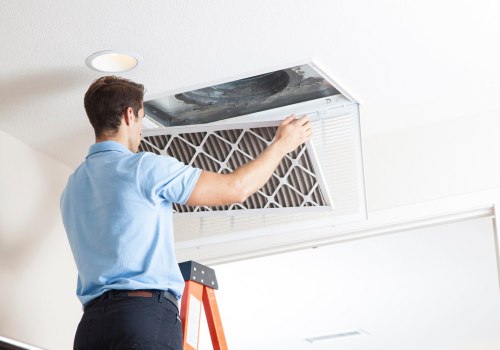
One of the simplest yet most effective ways to maintain your air ducts is by changing the air filters regularly.Depending on your system and usage, filters should be replaced every 1 to 3 months. Clean filters help prevent dust and debris from entering the ducts, improving air quality and system efficiency.
DIY Duct Cleaning
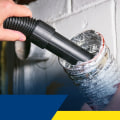
If you're comfortable with DIY projects, you can perform basic duct cleaning yourself. Here’s how:- Gather Your Tools: You will need a vacuum cleaner with a hose attachment, a soft brush, and possibly a flashlight.
- Access the Ducts: Remove vent covers and use the vacuum to clean out any visible dust and debris.
- Brush Away Residue: Use a soft brush to gently scrub the interior surfaces of the ducts, being careful not to damage them.
- Seal It Up: After cleaning, replace the vent covers securely to prevent dust from re-entering.
Professional Duct Cleaning Services
While DIY methods can be effective for minor maintenance, it’s advisable to hire professionals for a thorough cleaning every few years. Professional duct cleaning services utilize specialized equipment that can remove deep-seated dirt and allergens that regular cleaning might miss.They can also check for leaks or damage that may require repair.
Monitor Humidity Levels
High humidity can lead to mold growth within your ducts. Use dehumidifiers in areas prone to moisture buildup, especially basements or crawl spaces. Keeping humidity levels in check will help maintain clean air ducts.Seal Ducts Properly
If you notice any gaps or leaks in your ductwork, seal them promptly using duct tape or mastic sealant. Properly sealed ducts prevent air loss and improve energy efficiency.By following these maintenance tips, you can ensure that your air ducts remain clean and efficient, contributing to a healthier home environment and prolonging the life of your HVAC system.Professional Air Duct Cleaning Services: What to Expect
When it comes to maintaining a healthy indoor environment, professional air duct cleaning services play a vital role.Homeowners often wonder what to expect when they hire experts to clean their air ducts. Understanding the process and benefits can help you make an informed decision.Typically, the process begins with a thorough inspection of your HVAC system and ductwork. Professionals will assess the condition of your ducts, looking for signs of dirt buildup, mold, or any obstructions that could hinder airflow. This initial evaluation is crucial as it helps determine the best cleaning approach tailored to your specific needs.Once the inspection is complete, the cleaning process can commence.
Here’s what you can generally expect:
- Preparation: The technicians will prepare your home by covering furniture and flooring to protect them from dust and debris that may be dislodged during cleaning.
- Accessing the Ducts: They will create access points in your ductwork to ensure a thorough clean. This may involve removing vent covers or cutting small openings in the ducts.
- Cleaning Equipment: Using specialized equipment such as high-powered vacuums and rotary brushes, professionals will remove dust, allergens, and other contaminants from the ducts. This equipment is designed to reach deep into the ductwork, ensuring a comprehensive clean.
- Sanitization: After cleaning, some services may offer sanitization treatments to eliminate any lingering bacteria or mold spores, further enhancing your indoor air quality.
- Final Inspection: Once the cleaning is complete, technicians will conduct a final inspection to ensure that all areas have been adequately cleaned and that there are no remaining issues.
Additionally, it can prolong the lifespan of your HVAC system by reducing wear and tear caused by blockages.In conclusion, investing in professional duct cleaning services not only improves your home's air quality but also contributes to the overall efficiency and longevity of your HVAC system. By understanding what to expect during this process, you can ensure that you choose a reputable service provider who meets your needs effectively.
Frequently Asked Questions About Air Duct Maintenance
Maintaining your air ducts is essential for ensuring a healthy and efficient HVAC system. Below are some frequently asked questions that can help clarify common concerns regarding air duct maintenance.What are the signs that my air ducts need cleaning?
Several indicators suggest that your air ducts may require cleaning:- Visible dust and debris: If you notice dust accumulating around your vents or on surfaces in your home, it may be time to clean your ducts.
- Unpleasant odors: Foul smells emanating from your HVAC system can indicate mold or mildew growth within the ducts.
- Increased allergy symptoms: If you or your family members experience heightened allergy symptoms, it could be due to allergens circulating through dirty ducts.
- Inconsistent airflow: If some rooms in your home are not receiving adequate airflow, it may be a sign of blockages in the ductwork.
How often should I have my air ducts cleaned?
The frequency of air duct cleaning can vary based on several factors, including:- Location: Homes in dusty or polluted areas may require more frequent cleaning.
- Pets: If you have pets that shed fur, consider cleaning your ducts every 1-3 years.
- Allergies: Households with allergy sufferers may benefit from annual cleanings.
Can I clean my air ducts myself?
While some homeowners attempt DIY duct cleaning, it is generally recommended to hire professionals. They have specialized equipment and expertise to thoroughly clean and inspect the ductwork without causing damage.Improper cleaning can lead to further issues, such as dislodging dust into the living space or damaging the duct material.
What is the cost of professional air duct cleaning?
The cost of professional air duct cleaning can vary widely based on factors such as:- The size of your home: Larger homes typically require more time and resources to clean.
- The condition of the ducts: Heavily soiled ducts may require more intensive cleaning methods.
- Your location: Prices can differ based on regional market rates.
Conclusion: The Importance of Maintaining Your HVAC System's Air Ducts
In summary, the significance of maintaining your HVAC system's air ducts cannot be overstated. These vital components are responsible for the efficient circulation of air throughout your home, directly impacting both your comfort and health. Regular maintenance of air ducts ensures that they remain free from dust, allergens, and other contaminants that can compromise indoor air quality.Throughout this article, we have explored several key aspects of air duct maintenance:- Health Benefits: Clean air ducts contribute to a healthier living environment by reducing the presence of allergens and pollutants. This is particularly important for individuals with respiratory issues or allergies.
- Energy Efficiency: Well-maintained ducts enhance the efficiency of your HVAC system.
When ducts are clean and free from obstructions, your system doesn’t have to work as hard to heat or cool your home, leading to lower energy bills.
- Longevity of Equipment: Regular maintenance can extend the lifespan of your HVAC system. By preventing excessive wear and tear caused by dirty or damaged ducts, you can avoid costly repairs or premature replacements.
- Consistent Comfort: Properly functioning air ducts ensure that conditioned air is evenly distributed throughout your home, eliminating hot or cold spots and enhancing overall comfort.