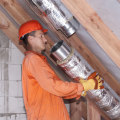
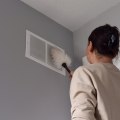
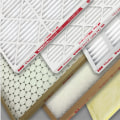
Air ducts are the unsung heroes of your home’s heating, ventilation, and air conditioning (HVAC) system. These conduits are responsible for the distribution of conditioned air throughout your living spaces, ensuring that every room maintains a comfortable temperature regardless of the season. Understanding the role of air ducts is essential for homeowners who wish to optimize their indoor environment and maintain a healthy atmosphere. At their core, air ducts serve as the pathways for air to travel from your HVAC unit to various parts of your home. They facilitate the circulation of both heated and cooled air, which is vital for maintaining consistent temperatures and overall comfort.
However, their importance extends beyond mere temperature control; they also play a critical role in managing indoor air quality. When functioning properly, air ducts help filter out pollutants, allergens, and other harmful particles, contributing to a healthier living space. Neglecting the maintenance of your air ducts can lead to a host of issues that compromise both comfort and health. Over time, dust, mold, and other contaminants can accumulate within these passages, obstructing airflow and diminishing the efficiency of your HVAC system. This not only results in higher energy bills but can also exacerbate respiratory issues for occupants.
Therefore, understanding the significance of air ducts is crucial for any homeowner looking to enhance their living conditions. In summary, air ducts are integral to the functionality of your HVAC system and play a pivotal role in ensuring both comfort and air quality in your home. By prioritizing their maintenance and cleanliness, you can safeguard your family’s health while also extending the lifespan of your heating and cooling systems.
The Consequences of Dirty Air Ducts
Neglecting air duct cleaning can lead to a range of serious consequences that affect both your home environment and your health. Understanding these impacts is crucial for homeowners who wish to maintain a safe and efficient living space.1.Health Risks
- Allergens and Irritants: Dirty air ducts can harbor a variety of allergens, including dust mites, mold spores, and pet dander. When these particles circulate through your home, they can trigger allergic reactions and respiratory issues, particularly in sensitive individuals such as children and the elderly.
- Airborne Diseases: Stagnant air in unclean ducts can become a breeding ground for bacteria and viruses.
This increases the risk of airborne diseases spreading within your household, especially during flu season or in the event of a viral outbreak.
- Unpleasant Odors: Accumulated debris in air ducts can emit musty or foul odors, which can permeate your living space. These odors not only make your home less inviting but can also indicate the presence of mold or other harmful substances.
2.Decreased Efficiency
As air ducts become clogged with dust and debris, the efficiency of your HVAC system diminishes significantly. The system must work harder to push air through these obstructions, leading to:
- Increased Energy Bills: A struggling HVAC system consumes more energy, resulting in higher utility costs. Homeowners may notice a spike in their energy bills as their systems work overtime to maintain comfortable temperatures.
- Uneven Heating and Cooling: Blocked ducts can cause uneven distribution of air throughout your home, leading to hot and cold spots.
This inconsistency not only affects comfort but also places additional strain on the HVAC system.
3.Potential System Failures
The long-term neglect of air duct cleaning can lead to severe mechanical issues within your HVAC system:
- Overheating: When airflow is restricted due to dirty ducts, components such as the compressor may overheat, leading to premature failure and costly repairs.
- Shortened Lifespan: Regular maintenance, including air duct cleaning, is essential for prolonging the life of your HVAC system. Neglecting this task can result in a significantly reduced lifespan for your equipment.
Health Risks Associated with Neglected Air Ducts
When air ducts are neglected, they can become a breeding ground for various allergens and pollutants that pose significant health risks to residents.Over time, dust, mold, pet dander, and other contaminants accumulate within the ductwork, creating an environment where these harmful particles can easily circulate throughout the home.
Allergens in Air Ducts
One of the primary concerns associated with dirty air ducts is the presence of allergens. Common allergens such as pollen, dust mites, and mold spores can find their way into the duct system. When the HVAC system operates, these allergens are blown into living spaces, potentially triggering allergic reactions in sensitive individuals. Symptoms may include:
- Frequent sneezing
- Runny or stuffy nose
- Itchy or watery eyes
- Coughing or wheezing
The constant exposure to these allergens can exacerbate symptoms and lead to more frequent asthma attacks or respiratory distress.
Respiratory Issues from Dirty Air Ducts
In addition to allergens, dirty air ducts can harbor harmful bacteria and mold that can significantly affect respiratory health. Mold spores, in particular, thrive in damp environments and can easily spread through the air when disturbed. Inhaling these spores can lead to serious health issues, including:
- Chronic cough
- Shortness of breath
- Chest tightness
- Increased susceptibility to respiratory infections
Conclusion
The health risks associated with neglected air ducts cannot be overstated.
Regular cleaning and maintenance of your air duct system are essential not only for the efficiency of your HVAC system but also for safeguarding the well-being of everyone in your home. By ensuring that your air ducts are clean and free from harmful pollutants, you create a healthier living environment that promotes better respiratory health and overall quality of life.
How Dirty Air Ducts Affect HVAC Efficiency
When it comes to maintaining a comfortable home environment, the efficiency of your HVAC system plays a crucial role. One of the most significant factors affecting this efficiency is the condition of your air ducts. Over time, dust, dirt, and other contaminants can accumulate within these ducts, leading to a range of issues that not only compromise air quality but also increase energy consumption.As air ducts become clogged, the airflow through your HVAC system is restricted.This restriction forces the system to work harder to circulate air throughout your home. The result? A noticeable spike in your energy bills. According to studies, systems with dirty air ducts can experience a decrease in efficiency by as much as 30%. This means that you are paying more for less effective heating or cooling.Moreover, when airflow is impeded, the temperature regulation within your home becomes inconsistent.
Some rooms may feel too hot or too cold, prompting homeowners to adjust their thermostats frequently. This constant adjustment not only leads to discomfort but also further strains the HVAC system, causing it to consume even more energy.In addition to increased energy costs and discomfort, neglected air ducts can lead to premature wear and tear on your HVAC components. The additional strain on the system can result in frequent breakdowns and costly repairs. For instance, a clogged filter can cause the blower motor to overheat, leading to potential failure. Some rooms may feel too hot or too cold, prompting homeowners to adjust their thermostats frequently. This constant adjustment not only leads to discomfort but also further strains the HVAC system, causing it to consume even more energy.In addition to increased energy costs and discomfort, neglected air ducts can lead to premature wear and tear on your HVAC components. The additional strain on the system can result in frequent breakdowns and costly repairs. For instance, a clogged filter can cause the blower motor to overheat, leading to potential failure.
Regular cleaning of your air ducts helps mitigate these risks by ensuring that air can flow freely and efficiently.To maintain optimal HVAC efficiency , it is essential to schedule routine air duct cleaning. This proactive measure not only enhances airflow but also contributes to a healthier indoor environment by reducing allergens and pollutants circulating in your home.In summary, neglecting air duct maintenance can have far-reaching consequences for both your energy bills and overall comfort. By prioritizing regular cleaning, you can ensure that your HVAC system operates at peak efficiency, saving you money and enhancing your living space.
Signs That Your Air Ducts Need Cleaning
Recognizing the signs that your air ducts require cleaning is essential for maintaining a healthy and efficient home environment. Here are some key indicators that suggest it may be time to schedule a thorough cleaning of your air ducts:- Increased Energy Bills: If you notice a sudden spike in your energy costs, it could be due to clogged air ducts.
When dust and debris accumulate, your HVAC system has to work harder to circulate air, leading to higher energy consumption.
- Visible Dust Accumulation: If you find dust settling on surfaces in your home more frequently than usual, it may be a sign that your air ducts are dirty. Dust particles can circulate through the system and settle on furniture, indicating that the ducts need attention.
- Unpleasant Odors: Foul smells emanating from your vents can indicate mold growth or the presence of debris in your air ducts. If you detect musty or stale odors when the HVAC system is running, it’s crucial to investigate further.
- Allergy Symptoms: Increased allergy symptoms among household members can be linked to dirty air ducts. Pollutants such as pollen, pet dander, and dust mites can accumulate in the ducts and be released into the air, exacerbating respiratory issues.
- Inconsistent Airflow: If certain rooms in your home feel stuffy or do not receive adequate airflow, it may be due to blockages in the ductwork.
This inconsistency can lead to discomfort and uneven heating or cooling throughout your space.
- Mold Growth: The presence of mold in or around your air ducts is a serious concern. If you see any signs of mold growth, it’s imperative to have your ducts cleaned immediately to prevent health risks associated with mold exposure.
- Recent Renovations: If you've recently completed home renovations, dust and debris can easily infiltrate your duct system. It’s advisable to have your air ducts cleaned after any major construction work to remove any residual particles.
The Air Duct Cleaning Process: What to Expect
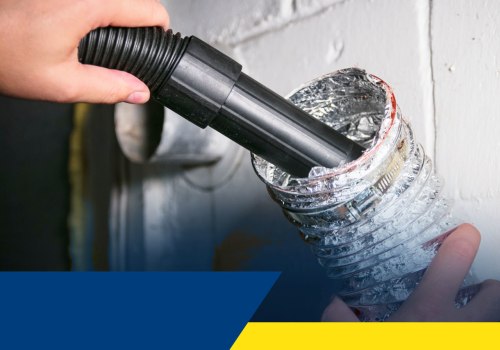
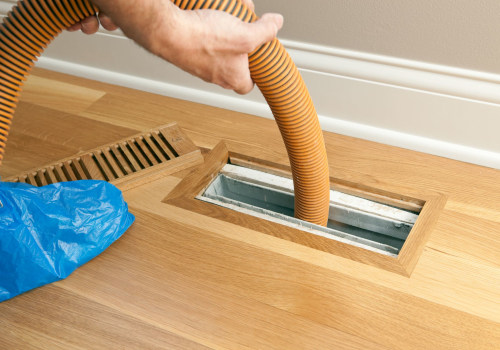
Understanding the air duct cleaning process is essential for homeowners considering this vital maintenance task.When you hire a professional duct cleaning service, you can expect a thorough and systematic approach to ensure your air ducts are free from contaminants.The process typically begins with an initial inspection. Technicians will assess your HVAC system and air ducts to identify any visible issues or areas of concern. This step is crucial as it helps them determine the extent of the cleaning required and allows them to tailor their approach accordingly.Next, the technicians will prepare your home for the cleaning process. This often involves covering furniture and flooring to protect them from dust and debris that may be dislodged during the cleaning.
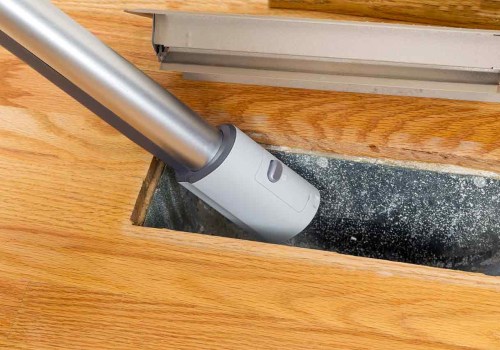
They will also set up specialized equipment, including powerful vacuums and air compressors, designed specifically for duct cleaning.Once everything is in place, the actual cleaning begins. The technicians will use a combination of mechanical agitation and vacuuming to dislodge dirt, dust, and other contaminants from the ductwork. Mechanical agitation can involve brushes or whips that scrub the interior surfaces of the ducts, ensuring that even stubborn debris is removed.After the initial cleaning, a thorough vacuuming process follows. This step is critical as it ensures that all loosened particles are effectively removed from your ducts.
The vacuum used is typically a high-powered unit that can capture even the smallest particles, preventing them from re-entering your home.In some cases, additional treatments may be applied after cleaning. For instance, some professionals offer sanitizing solutions that can help eliminate bacteria and mold spores lingering in the ducts. This step can be particularly beneficial for households with allergy sufferers or respiratory issues.Finally, once the cleaning is complete, technicians will conduct a post-cleaning inspection to ensure everything has been thoroughly cleaned and that your system is functioning optimally. They may also provide you with recommendations for future maintenance and tips on how to keep your air ducts clean longer.Overall, understanding what to expect during the air duct cleaning process can help you feel more confident in your decision to invest in this essential service.
Regular cleaning not only improves indoor air quality but also enhances the efficiency of your HVAC system.
DIY vs. Professional Air Duct Cleaning: Which is Best?
When it comes to maintaining the cleanliness and efficiency of your air ducts, homeowners often find themselves weighing the options between DIY air duct cleaning and hiring a professional service. Each approach has its own set of advantages and disadvantages, making it essential to understand what best suits your needs.DIY Air Duct Cleaning
- Cost-Effective: One of the most significant benefits of DIY cleaning is the cost savings. Homeowners can purchase basic cleaning supplies and tools, such as a vacuum with a hose attachment, brushes, and microfiber cloths, for a fraction of the price of professional services.
- Control Over the Process: Cleaning your air ducts yourself allows you to control the process entirely.
You can choose when to clean, how thoroughly to clean, and which areas to focus on based on your observations.
- Immediate Results: For those who are handy and willing to put in the effort, DIY cleaning can yield immediate results. You may notice improved airflow and reduced dust levels in your home right after cleaning.
- Lack of Expertise: Without professional training, you may not know how to effectively clean all components of your air duct system. This could lead to incomplete cleaning or even damage to the ducts.
- Time-Consuming: DIY cleaning can be a labor-intensive task that takes several hours or even days, depending on the size of your system and your level of experience.
- Limited Equipment: Most homeowners do not have access to the specialized equipment that professionals use, which can significantly enhance the effectiveness of the cleaning process.
Professional Air Duct Cleaning
- Thorough Cleaning: Professionals use advanced tools and techniques that ensure a comprehensive clean. They can reach areas that are often inaccessible to homeowners, such as deep within the ductwork.
- Expert Knowledge: Trained technicians understand how air duct systems work and can identify potential issues that may not be apparent to an untrained eye.
This expertise can prevent future problems and extend the lifespan of your HVAC system.
- Time Efficiency: Hiring professionals saves you time. They can complete the job quickly and efficiently, allowing you to focus on other important tasks.
- Cost: Professional air duct cleaning can be expensive, depending on the size of your home and the complexity of the job. Homeowners must weigh this cost against potential long-term savings from improved efficiency.
- Finding a Reputable Service: Not all air duct cleaning companies are created equal. It’s crucial to research and choose a reputable service provider to avoid scams or subpar work.
For those seeking thoroughness and expertise, professional cleaning is often worth the investment. However, if you're looking for a cost-effective solution and are willing to put in the effort, DIY methods can also yield satisfactory results.
Preventive Measures: Keeping Your Air Ducts Clean Longer
Maintaining clean air ducts is essential for ensuring the efficiency and longevity of your HVAC system. By implementing a few preventive measures, homeowners can significantly extend the time between professional cleanings and improve indoor air quality. Here are some practical tips to help you keep your air ducts clean longer:- Regularly Change Air Filters: One of the simplest yet most effective ways to maintain clean air ducts is to change your HVAC system's air filters regularly.
Depending on the type of filter and usage, this should be done every 1 to 3 months. Clean filters trap dust, pollen, and other particles, preventing them from entering the ductwork.
- Seal Ducts Properly: Ensure that all duct connections are sealed tightly. Leaky ducts can allow dust and debris to enter the system, leading to contamination. Use mastic sealant or metal tape to seal any gaps or leaks in your ductwork.
- Keep Vents Clear: Regularly inspect and clean your vents to ensure they are not obstructed by furniture, curtains, or other items.
Blocked vents can restrict airflow, causing your HVAC system to work harder and potentially leading to dirt accumulation in the ducts.
- Control Humidity Levels: High humidity can promote mold growth within your air ducts. Use dehumidifiers in areas prone to moisture, such as basements, and ensure that your home’s humidity levels remain between 30% and 50%.
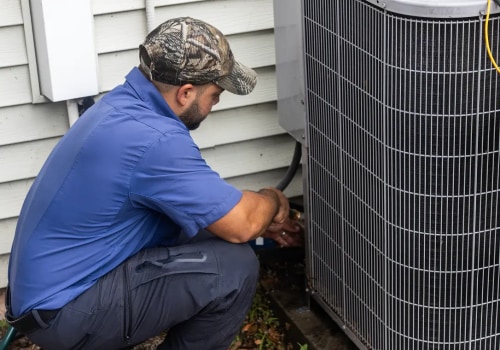
- Schedule Routine Inspections: In addition to regular cleanings, schedule annual inspections with a qualified HVAC technician. They can identify potential issues before they become significant problems and recommend cleaning when necessary.
- Avoid Smoking Indoors: Smoking indoors can introduce a significant amount of tar and nicotine into your air ducts. If you or anyone in your household smokes, consider doing so outside to minimize contamination.
- Use Doormats and Shoe Racks: Placing doormats at entry points and encouraging family members and guests to remove their shoes can significantly reduce the amount of dirt and debris tracked into your home.
A proactive approach will lead to better indoor air quality, lower energy bills, and a more comfortable living environment.
Frequently Asked Questions About Air Duct Cleaning
When it comes to air duct cleaning, many homeowners have questions and misconceptions that can lead to confusion about its importance and frequency. Here, we address some of the most common inquiries regarding this essential maintenance task.What is air duct cleaning?
Air duct cleaning involves the removal of dust, dirt, and other contaminants from the interior of your heating and cooling system's ductwork. This process typically includes cleaning the supply and return ducts, as well as the registers, grilles, and other components of your HVAC system.How often should I have my air ducts cleaned?
The frequency of air duct cleaning can vary based on several factors, including:- The presence of pets in your home.
- Allergies or respiratory issues among household members.
- Recent renovations or construction work that may have introduced dust and debris.
- The overall air quality in your area.
Is air duct cleaning really necessary?
Many homeowners question the necessity of air duct cleaning.While it may not be an immediate concern for everyone, neglecting this maintenance can lead to serious issues over time. Dirty ducts can harbor allergens, mold, and other harmful particles that can affect indoor air quality. Regular cleaning helps ensure a healthier living environment.
Can I clean my air ducts myself?
While some basic maintenance tasks can be performed by homeowners, such as changing filters and vacuuming vents, professional air duct cleaning is highly recommended. Professionals have specialized equipment and expertise to thoroughly clean the entire system without causing damage.What are the signs that my air ducts need cleaning?
If you notice any of the following signs, it may be time to schedule a professional cleaning:- Visible dust or debris around vents.
- An increase in allergy symptoms or respiratory issues.
- A musty or unpleasant odor when the HVAC system is running.
- Inconsistent airflow from vents.
Conclusion: The Importance of Regular Air Duct Maintenance
In conclusion, the significance of regular air duct maintenance cannot be overstated.As we have explored throughout this article, neglecting air duct cleaning can lead to a host of issues that not only affect the efficiency of your HVAC system but also pose serious health risks to you and your family.Dirty air ducts serve as a breeding ground for allergens, mold, and other harmful pollutants. These contaminants can circulate throughout your home, exacerbating respiratory issues and allergies. By ensuring that your air ducts are cleaned regularly, you are taking a proactive step towards creating a healthier indoor environment.Moreover, the impact of dirty air ducts on energy efficiency is profound. When dust and debris accumulate within the ducts, they restrict airflow, forcing your HVAC system to work harder to maintain the desired temperature.
This not only leads to increased energy bills but also accelerates wear and tear on your system, potentially resulting in costly repairs or premature replacement.To summarize, here are the key reasons why regular air duct cleaning is essential:
- Improved Air Quality: Regular cleaning reduces allergens and pollutants in your home.
- Enhanced Energy Efficiency: Clean ducts allow for better airflow, reducing energy consumption.
- Prolonged HVAC Lifespan: Maintenance prevents strain on your system, extending its operational life.
- Cost Savings: Lower energy bills and reduced repair costs contribute to overall savings.