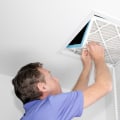
Air ducts are an integral component of any heating, ventilation, and air conditioning (HVAC) system, serving as the pathways through which conditioned air circulates throughout a building. These ducts are typically made from a variety of materials, including sheet metal, fiberglass, or flexible plastic, and they come in various shapes and sizes to accommodate different architectural designs. Understanding the function of air ducts is crucial for homeowners and business owners alike, as they play a significant role in maintaining indoor air quality and overall comfort.The primary function of air ducts is to transport heated or cooled air from the HVAC unit to various rooms within a structure. This process not only ensures that each space reaches the desired temperature but also helps to maintain consistent humidity levels.
Properly functioning air ducts contribute to energy efficiency by allowing the HVAC system to operate optimally, reducing energy consumption and lowering utility bills. However, when these ducts become clogged with dust, debris, or other contaminants, their efficiency can be compromised, leading to increased energy costs and potential health issues.Moreover, the importance of air ducts extends beyond mere temperature control. They also play a vital role in filtering out pollutants and allergens from the air we breathe. As air circulates through the ducts, it passes through filters that capture particles such as dust mites, pet dander, mold spores, and pollen.
This filtration process is essential for maintaining good indoor air quality, particularly for individuals with respiratory conditions or allergies. Therefore, understanding how air ducts function and their significance in our daily lives is essential for making informed decisions about maintenance and cleaning practices.
Common Myths About Air Duct Cleaning
When it comes to air duct cleaning, several myths persist that can mislead homeowners into believing that duct cleaning is a cure-all for indoor air quality issues. Understanding these misconceptions is crucial for making informed decisions about your home’s ventilation system.Myth 1: Air Duct Cleaning Significantly Improves Indoor Air Quality
Many people assume that cleaning their air ducts will drastically enhance the air quality in their homes. However, research indicates that while duct cleaning can remove some dust and debris, it does not significantly impact the overall air quality.
The primary contributors to indoor air pollution are often household items such as furniture, carpets, and even personal care products. Regularly changing air filters and maintaining your HVAC system are more effective strategies for improving indoor air quality.
Myth 2: Duct Cleaning Eliminates Odors
Another common belief is that duct cleaning will eliminate persistent odors in a home. While it may help remove some sources of smells, such as dust or mold, it does not address the root causes of odors. For instance, pet dander, cooking smells, or moisture issues can continue to produce unpleasant scents regardless of duct cleanliness.
Identifying and resolving the source of these odors is essential for a fresher home environment.
Myth 3: Duct Cleaning is Necessary for Everyone
Some homeowners think that duct cleaning is a necessary service for all households. In reality, the need for duct cleaning varies based on several factors, including the age of the home, the presence of pets, and whether anyone in the household suffers from allergies or respiratory issues. Regular inspections can help determine if your ducts require cleaning.
Myth 4: Duct Cleaning Will Lower Energy Bills
Many duct cleaning companies claim that their services will lead to lower energy bills by improving system efficiency. However, studies have shown that dirty ducts do not significantly impact energy consumption.
Instead, ensuring that your HVAC system is well-maintained and free from leaks is a more effective way to enhance efficiency and reduce energy costs.
Myth 5: All Duct Cleaning Services Are the Same
Not all duct cleaning services are created equal. Some companies may use subpar methods or equipment that do not effectively clean ducts. It’s essential to research and choose a reputable service provider who follows industry standards to ensure you receive quality service.In conclusion, debunking these myths about air duct cleaning can help homeowners make better decisions regarding their HVAC systems. By focusing on proper maintenance and understanding the limitations of duct cleaning, you can create a healthier living environment without falling prey to common misconceptions.
The Impact of Dirty Air Ducts on Health
When discussing the health effects of dirty air ducts, it is essential to understand how indoor air quality directly impacts our well-being.Many homeowners are concerned that unclean air ducts can exacerbate health issues, particularly for those suffering from allergies and asthma. However, the relationship between dirty ducts and health is often misunderstood.Dirty air ducts can harbor a variety of contaminants, including dust, mold spores, pet dander, and pollen. When the HVAC system operates, these particles can be circulated throughout the home, potentially leading to respiratory issues. For individuals with pre-existing conditions like asthma or allergies, this can trigger symptoms such as:
- Coughing
- Wheezing
- Shortness of breath
- Nasal congestion
- Eye irritation
A study conducted by the Environmental Protection Agency (EPA) found no substantial evidence that duct cleaning significantly reduces allergens or improves health outcomes. In fact, many health professionals do not recommend duct cleaning as a routine measure for improving indoor air quality.Moreover, while duct cleaning can remove some dust and debris, it can also disturb settled particles, causing them to become airborne temporarily. This disturbance may lead to an initial increase in airborne contaminants before they settle again. Therefore, it is crucial to consider other methods for improving indoor air quality.To effectively enhance your home's air quality and mitigate health risks associated with dirty ducts, consider the following strategies:
- Regularly change air filters: This simple task can significantly reduce the amount of dust and allergens circulating in your home.
- Maintain humidity levels: Keeping humidity between 30-50% can help prevent mold growth and dust mite proliferation.
- Use an air purifier: High-efficiency particulate air (HEPA) filters can capture small particles that standard filters might miss.
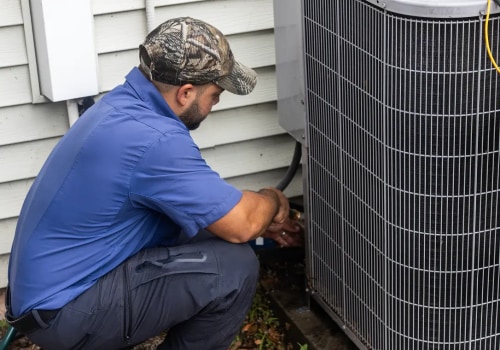
- Conduct routine HVAC maintenance: Regular inspections and cleanings of your heating and cooling systems can help ensure they operate efficiently and do not contribute to poor air quality.
Homeowners should focus on comprehensive strategies for maintaining good air quality rather than relying solely on duct cleaning services.
Energy Efficiency and Air Duct Cleaning
One of the most frequently touted benefits of duct cleaning is its potential to enhance energy efficiency and reduce utility bills. However, the reality surrounding these claims is more complex than many consumers realize. To understand the true impact of duct cleaning on energy efficiency, it is essential to examine both expert opinions and scientific studies.Many duct cleaning companies assert that removing dust and debris from air ducts can lead to improved airflow, which in turn enhances the efficiency of heating and cooling systems. The theory is that cleaner ducts allow HVAC systems to operate more effectively, thereby consuming less energy.However, research has shown that the actual energy savings from duct cleaning are often negligible.According to a study conducted by the Environmental Protection Agency (EPA) , there is little evidence to support the claim that duct cleaning significantly improves HVAC efficiency. The EPA notes that while dirty ducts can contribute to airflow issues, other factors such as poorly designed duct systems or malfunctioning equipment are far more likely to impact energy consumption.Moreover, a report from the National Air Duct Cleaners Association (NADCA) indicates that while duct cleaning can be beneficial in certain situations—such as when there is visible mold growth or an infestation of pests—it does not automatically translate into lower energy bills. In fact, if ducts are cleaned improperly, it can lead to more problems, such as increased dust circulation or damage to the ductwork itself.Another important aspect to consider is the role of regular maintenance in ensuring HVAC efficiency. Instead of focusing solely on duct cleaning, homeowners should prioritize routine maintenance tasks such as:
- Changing air filters regularly to prevent dust buildup.
- Inspecting and sealing ductwork for leaks that can waste energy.
- Cleaning HVAC components , including coils and fan blades, which can significantly affect system performance.
Homeowners should focus on comprehensive HVAC maintenance practices and consult with professionals to identify the most effective strategies for enhancing their system's performance.
The Process of Air Duct Cleaning: What to Expect
When you decide to hire a professional for air duct cleaning, it’s essential to understand the typical process involved. This not only helps set your expectations but also ensures that you are getting the service you pay for. Here’s a detailed overview of what to expect during a professional duct cleaning session.Initial Inspection
The process usually begins with an initial inspection of your HVAC system and ductwork. Technicians will assess the condition of your ducts, looking for signs of dust buildup, mold, or any obstructions.
This step is crucial as it helps them determine the best approach for cleaning.
Preparation
Before the actual cleaning begins, the technicians will prepare the area. This includes covering furniture and flooring to protect them from dust and debris that may be dislodged during the cleaning process. They will also set up their equipment, which typically includes:
- Vacuum Systems: High-powered vacuums are used to create negative pressure in the ducts, ensuring that dust and debris are effectively removed.
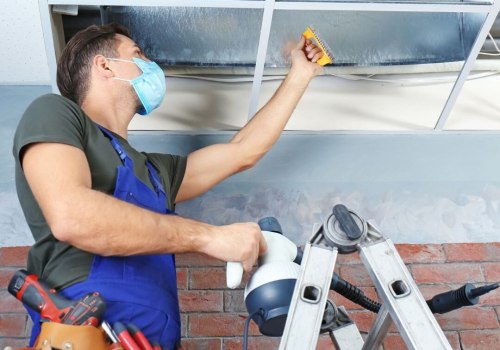
- Brushes and Agitation Tools: These tools help dislodge dirt and contaminants stuck to the duct walls.
- Camera Equipment: Some professionals use cameras to inspect hard-to-reach areas of the ductwork, providing a visual confirmation of cleanliness post-cleaning.
The Cleaning Process
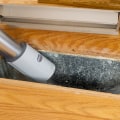
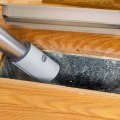
Once everything is set up, the actual cleaning can begin. The technicians will insert brushes or agitation tools into the ducts to loosen dirt and debris.
As they do this, the vacuum system will simultaneously remove these particles from the ducts. This dual-action approach ensures that contaminants are not just stirred up but are effectively extracted from your home.
Post-Cleaning Inspection
After the cleaning is complete, a follow-up inspection is often conducted. This may involve using cameras again to ensure that all areas have been thoroughly cleaned. Technicians may also provide you with before-and-after photos to demonstrate the effectiveness of their work.
Final Steps
The final steps include sealing any access points that were opened during the cleaning process and ensuring that your HVAC system is functioning correctly.
Technicians may also recommend maintenance tips to keep your air ducts clean longer.In summary, understanding the air duct cleaning process can help you make informed decisions when hiring professional services. By knowing what to expect, you can ensure that your home’s air quality is improved effectively and efficiently.
Alternatives to Duct Cleaning for Better Indoor Air Quality
Improving indoor air quality is essential for maintaining a healthy living environment, and there are several effective strategies to achieve this without resorting to duct cleaning. Here are some practical alternatives that can significantly enhance the air you breathe in your home.Regular Air Filter Maintenance
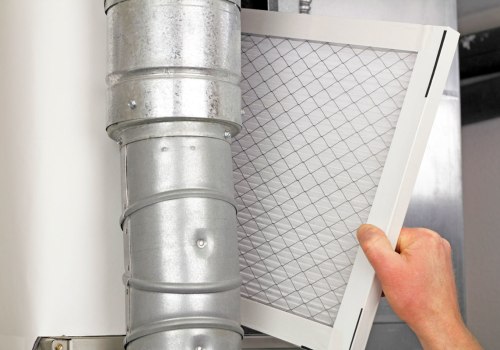
One of the most crucial steps in ensuring good indoor air quality is the regular maintenance of your air filters. Air filters play a vital role in trapping dust, allergens, and other particles before they circulate throughout your home.Here are some tips for effective air filter maintenance:
- Check Filters Monthly: Inspect your air filters at least once a month to determine how quickly they accumulate dirt and debris. This frequency may vary depending on factors such as the season and the presence of pets.
- Replace Filters Regularly: Most filters should be replaced every two to three months. However, if you notice that your filter is particularly dirty or if you have allergies, consider changing it more frequently.
- Choose the Right Filter: Opt for high-efficiency particulate air (HEPA) filters, which can capture smaller particles and improve overall air quality.
Ventilation Improvements
Proper ventilation is another key factor in maintaining good indoor air quality. Here are some ways to enhance ventilation in your home:- Open Windows: Whenever weather permits, open windows to allow fresh air to circulate through your home.
This can help dilute indoor pollutants.
- Use Exhaust Fans: Utilize exhaust fans in kitchens and bathrooms to remove moisture and odors, which can contribute to poor air quality.
- Consider Mechanical Ventilation: If your home is tightly sealed, consider installing a mechanical ventilation system that brings in fresh outdoor air while exhausting stale indoor air.
Regular Cleaning Practices
In addition to maintaining your air filters and improving ventilation, regular cleaning practices can significantly impact indoor air quality:- Dust Surfaces Frequently: Regularly dust surfaces with a damp cloth to prevent dust from becoming airborne.
- Vacuum with HEPA Filters: Use a vacuum cleaner equipped with a HEPA filter to effectively trap allergens and dust particles.
- Avoid Harsh Chemicals: Opt for natural cleaning products whenever possible, as many commercial cleaners can release volatile organic compounds (VOCs) into the air.
When Should You Consider Air Duct Cleaning?
Determining when to consider air duct cleaning can be challenging, especially with the conflicting information available. However, there are specific signs and situations that can help you make an informed decision about whether your ducts need attention.Signs You Need Duct Cleaning
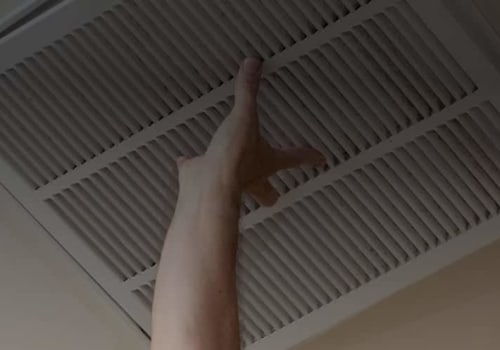
- Visible Dust and Debris: If you notice a significant buildup of dust around your home, particularly near vents or registers, it may indicate that your air ducts are dirty. This dust can circulate throughout your living space, affecting air quality.
- Unpleasant Odors: Persistent musty or foul odors emanating from your vents can signal that mold, mildew, or other contaminants are present in your ductwork.
If cleaning your home doesn’t eliminate these smells, it might be time to consider duct cleaning.
- Allergy Symptoms: If you or your family members experience increased allergy symptoms such as sneezing, coughing, or nasal congestion when the HVAC system is running, it could be due to allergens trapped in the ducts. While duct cleaning may not be a cure-all, it can help reduce the presence of these irritants.
- Recent Renovations: Home renovations can generate a lot of dust and debris. If you’ve recently remodeled or had significant work done in your home, it’s wise to check your ducts for any accumulated particles that could affect air quality.
- Pest Infestations: If you’ve had issues with rodents or insects in your home, they may have made their way into your ductwork. Cleaning the ducts can help remove any droppings or debris left behind by pests.
Is Duct Cleaning Necessary?
The necessity of duct cleaning often depends on individual circumstances.While some homes may benefit from regular cleaning due to the factors mentioned above, others may not require it as frequently. Here are some considerations:
- Frequency of Use: Homes with HVAC systems that run year-round may accumulate dirt and debris more quickly than those that use heating and cooling sporadically.
- Type of Environment: Homes located in dusty areas or near construction sites may need more frequent duct cleaning compared to those in cleaner environments.
- Health Concerns: If anyone in your household has respiratory issues or allergies, consulting with a healthcare professional about the potential benefits of duct cleaning is advisable.
Frequently Asked Questions About Air Duct Cleaning
When it comes to air duct cleaning, many homeowners have questions and concerns that can lead to confusion. Below are some of the most frequently asked questions regarding this service, along with clear answers to help you make informed decisions.1.How often should I have my air ducts cleaned?
The frequency of air duct cleaning largely depends on various factors, including your location, the presence of pets, and whether anyone in your household suffers from allergies or respiratory issues.Generally, it is recommended to have your ducts cleaned every 3 to 5 years. However, if you notice excessive dust buildup or experience persistent odors, it may be time for a cleaning sooner.
2.What are the signs that my air ducts need cleaning?
- Visible dust: If you can see dust or debris around your vents or registers, it may indicate that your ducts are dirty.
- Unpleasant odors: Foul smells emanating from your HVAC system can be a sign of mold or other contaminants in the ducts.
- Increased allergy symptoms: If you or your family members experience heightened allergy symptoms when the HVAC system is running, it could be due to dirty ducts.
- Inconsistent airflow: If some rooms in your home are not receiving adequate airflow, it may be due to blockages in the ductwork.
3.Is air duct cleaning worth the cost?
The value of air duct cleaning can vary based on individual circumstances. While some homeowners report improved air quality and reduced allergens after a cleaning, others may not notice significant changes. It's essential to weigh the potential benefits against the costs involved.If you have specific health concerns or live in a dusty environment, investing in duct cleaning may be worthwhile.
4.Can I clean my air ducts myself?
While some homeowners attempt DIY methods for duct cleaning, it is generally not recommended. Professional services utilize specialized equipment and techniques that effectively remove dust and debris without damaging the ductwork. Additionally, improper cleaning can lead to further contamination or even damage to your HVAC system.5.What should I look for in a duct cleaning service?
When selecting a professional for air duct cleaning, consider the following:- Certification: Ensure the company is certified by a recognized organization such as the National Air Duct Cleaners Association (NADCA).
- Experience: Look for companies with a proven track record and positive customer reviews.
- Transparency: A reputable service provider should offer clear information about their methods and pricing without hidden fees.
Conclusion: Separating Fact from Fiction in Duct Cleaning
In summary, understanding the realities of air duct cleaning is crucial for homeowners and businesses alike. Throughout this article, we have explored various myths and misconceptions that often cloud judgment when it comes to duct cleaning services.It is essential to separate fact from fiction to make informed decisions that truly benefit your indoor environment.One of the most significant takeaways is that while duct cleaning may seem like a straightforward solution to improve air quality and eliminate odors, the evidence supporting its effectiveness is limited. Many individuals mistakenly believe that cleaning their ducts will lead to a healthier living space, but studies have shown that there is little correlation between duct cleanliness and health improvements.Moreover, the idea that dirty ducts are the primary source of unpleasant odors is misleading. Often, these odors stem from other sources within the home, such as mold, pet dander, or even cooking residues. Addressing these root causes is far more effective than simply cleaning the ducts.Additionally, the notion that duct cleaning can significantly reduce energy bills is another myth that deserves scrutiny.
While maintaining your HVAC system is vital for efficiency, the act of cleaning ducts alone does not guarantee lower energy costs. In fact, improper cleaning can lead to more issues than it resolves.To enhance indoor air quality effectively, consider implementing regular maintenance practices such as:
- Changing air filters frequently to trap dust and allergens.
- Inspecting HVAC systems for leaks and inefficiencies.
- Cleaning other components , like fan blades and evaporator coils, which can accumulate dust over time.