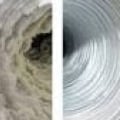
In the realm of home comfort, the terms air ductsair ducts and vents often surface in discussions about HVAC systems, yet many homeowners remain unclear about their distinct roles. Understanding these components is not merely a matter of semantics; it is crucial for maintaining optimal air quality and system efficiency within your living space. Air ducts serve as the hidden highways of your heating, ventilation, and air conditioning (HVAC) system, transporting conditioned air throughout your home. In contrast, vents are the visible endpoints that allow this air to enter or exit specific rooms.The significance of knowing the difference between air ducts and vents extends beyond basic knowledge; it impacts how effectively your HVAC system operates.
Properly functioning air ducts ensure that air circulates evenly, preventing hot or cold spots in your home. Meanwhile, vents play a vital role in regulating airflow and can influence the overall comfort level in each room. When these components are misunderstood or neglected, it can lead to inefficiencies that not only compromise comfort but also inflate energy bills.Moreover, the relationship between air ducts and vents is integral to maintaining good indoor air quality. Air ducts can accumulate dust, allergens, and even mold over time, which can be detrimental to your health.
Vents, if not properly maintained, can restrict airflow and exacerbate these issues. Therefore, recognizing their unique functions allows homeowners to take proactive measures in ensuring a clean and healthy environment.As we delve deeper into this topic, we will explore the specific characteristics of air ducts and vents, their maintenance needs, and why understanding their differences is essential for anyone looking to enhance their home's HVAC performance. By grasping these concepts, you empower yourself to make informed decisions that will benefit both your comfort and your wallet.
What Are Air Ducts?
Air ducts are essential components of heating, ventilation, and air conditioning (HVAC) systems, designed to facilitate the movement of air throughout a building. These channels are responsible for distributing conditioned air—whether heated or cooled—ensuring that every room in a home or commercial space maintains a comfortable temperature.Definition and Structure
In simple terms, an air duct is a passageway that transports air from one location to another.
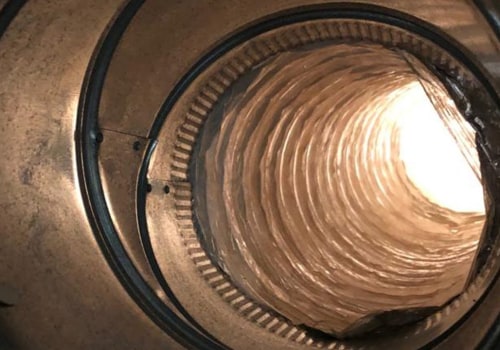
Typically constructed from materials such as sheet metal, fiberglass, or flexible plastic, air ducts can vary in shape and size. The most common configurations are round and rectangular, allowing them to fit seamlessly into the architecture of a building.The structure of air ducts is designed to optimize airflow while minimizing energy loss. For instance, smooth interior surfaces reduce friction, allowing air to flow more freely. Additionally, proper insulation around ducts helps maintain the temperature of the air being transported, preventing heat loss in winter and heat gain in summer.
Primary Functions
- Air Distribution: The primary function of air ducts is to distribute conditioned air throughout a space.
This ensures that every room receives adequate heating or cooling, contributing to overall comfort.
- Ventilation: Air ducts also play a crucial role in ventilation by facilitating the exchange of indoor and outdoor air. This process helps remove stale air and introduces fresh air, which is vital for maintaining good indoor air quality.
- Humidity Control: By regulating airflow, air ducts assist in controlling humidity levels within a building. Proper humidity control is essential for preventing mold growth and ensuring a healthy living environment.
What Are Vents?
Vents are essential components of any heating, ventilation, and air conditioning (HVAC) system, playing a crucial role in regulating airflow within a building.They serve as the visible outlets through which conditioned air enters or exits living spaces, ensuring that the indoor environment remains comfortable and healthy.
Definition of Vents
In simple terms, a vent is an opening that allows air to flow into or out of a room. Vents are typically found on walls, ceilings, or floors and are connected to the air ducts that transport air throughout the home. They can be classified into two main types: supply vents and return vents.
- Supply Vents: These vents deliver heated or cooled air from the HVAC system into the living spaces. They are designed to distribute air evenly throughout a room, promoting comfort and preventing hot or cold spots.
- Return Vents: These vents play a different role by drawing air back into the HVAC system for reconditioning.
This process is vital for maintaining balanced airflow and ensuring that the system operates efficiently.
Function of Vents
The primary function of vents is to control the flow of air in and out of rooms. By doing so, they help maintain optimal indoor air quality and temperature. Here are some key functions of vents:
- Air Distribution: Vents ensure that conditioned air is evenly distributed throughout a space, enhancing comfort levels for occupants.
- Temperature Regulation: By allowing warm or cool air to enter a room, vents help regulate indoor temperatures according to the season and personal preferences.
- Humidity Control: Proper ventilation helps manage humidity levels, reducing the risk of mold growth and improving overall air quality.
- Energy Efficiency: Well-placed and properly functioning vents contribute to the energy efficiency of an HVAC system by minimizing energy waste associated with uneven heating or cooling.
Key Differences Between Air Ducts and Vents
Understanding the differences between air ducts and vents is crucial for anyone looking to maintain an efficient HVAC system.While both components play vital roles in air distribution, they differ significantly in structure, function, maintenance needs, and installation requirements.
Structural Differences
Air ducts are typically long, cylindrical or rectangular tubes that form a network throughout your home. They are designed to transport heated or cooled air from the HVAC unit to various rooms. Made from materials such as sheet metal, fiberglass, or flexible plastic, air ducts are built to withstand pressure and temperature changes.In contrast, vents, also known as ventilation grilles or registers, are the visible outlets where conditioned air enters a room. These grilles can be flat or slightly raised and are often made of metal or plastic.They feature adjustable louvers that allow homeowners to control the direction and volume of airflow into a space.
Functional Differences
The primary function of air ducts is to facilitate the movement of air throughout the home. They ensure that every room receives adequate heating or cooling based on the thermostat settings. On the other hand, vents serve as the final point of delivery for this air. They regulate how much air enters a room and can be adjusted to optimize comfort levels.Maintenance Needs
When it comes to maintenance, air ducts require more specialized care compared to vents.Over time, dust, allergens, and even mold can accumulate inside air ducts, necessitating professional cleaning and inspection at least every few years. This is essential not only for maintaining air quality but also for ensuring the efficiency of your HVAC system.Vents, however, can be easily maintained by homeowners. Regular cleaning with a damp cloth can prevent dust buildup and ensure unobstructed airflow. It’s advisable to check vents periodically for any obstructions that could hinder performance.
Installation Requirements
Proper installation is critical for both air ducts and vents but varies in complexity.Air ducts must be installed by professionals who understand airflow dynamics and building codes. Poorly installed ducts can lead to leaks that waste energy and reduce system efficiency.Vents are generally simpler to install and can often be adjusted or relocated by homeowners without professional help. However, it’s important to consider how changes might affect overall airflow in your HVAC system.In summary, while both air ducts and vents are integral components of an HVAC system, their differences in structure, function, maintenance needs, and installation requirements highlight their unique roles in ensuring a comfortable indoor environment.
Materials Used in Air Ducts and Vents
When it comes to the construction of air ducts and vents, the choice of materials plays a crucial role in determining their performance, durability, and maintenance requirements. Understanding the various materials available can help homeowners make informed decisions about their HVAC systems.Common Materials for Air Ducts
- Sheet Metal: This is one of the most popular materials for air ducts, typically made from galvanized steel or aluminum.
Sheet metal ducts are known for their durability and ability to withstand high pressures. They are also less prone to leaks compared to other materials. However, they can be more expensive and may require professional installation.
- Fiberglass: Fiberglass ducts are lightweight and often used in residential settings. They are insulated, which helps in maintaining temperature and improving energy efficiency.
However, they can be susceptible to moisture and mold growth if not properly maintained.
- Flexible Ducts: Made from a combination of plastic and metal wire, flexible ducts are easy to install in tight spaces. They are less expensive than sheet metal but can be more prone to kinks and damage, which may lead to air leaks.
Materials Used for Vents
- Plastic: Many ventilation grilles are made from durable plastic materials. They are lightweight, resistant to corrosion, and easy to clean. However, they may not be as robust as metal options and can become brittle over time.
- Metal: Metal vents, often made from aluminum or steel, offer superior strength and durability.
They can withstand higher temperatures and are less likely to warp or break. Metal vents also provide a more polished look but may require more maintenance to prevent rusting.
- Composite Materials: Some modern vents utilize composite materials that combine the benefits of both plastic and metal. These materials can offer enhanced durability while being lightweight and resistant to environmental factors.
Maintenance of Air Ducts vs.
VentsMaintaining the efficiency and cleanliness of your HVAC system is crucial for ensuring optimal air quality and energy efficiency in your home. Understanding the maintenance requirements for air ducts and vents is essential, as each component has distinct needs that must be addressed to keep your system running smoothly.
Air Duct Maintenance
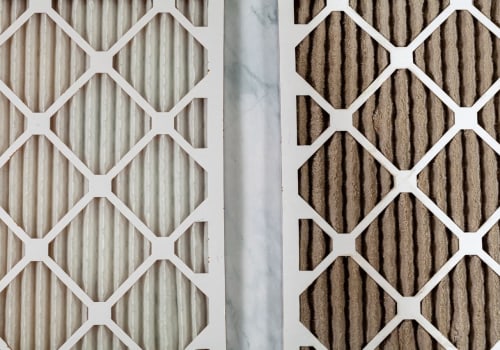
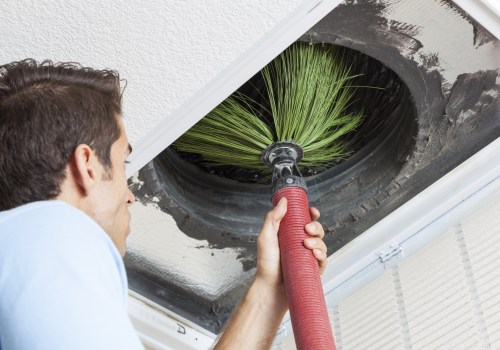
Air ducts are the hidden pathways that transport heated or cooled air throughout your home. Over time, these ducts can accumulate dust, allergens, and even mold, which can severely impact indoor air quality. Therefore, regular maintenance is vital.- Professional Cleaning: It is recommended to have your air ducts professionally cleaned every 3 to 5 years.
Professionals use specialized equipment to thoroughly clean the interior of the ducts, removing contaminants that a standard vacuum cannot reach.
- Inspection: Regular inspections by a qualified technician can help identify issues such as leaks or blockages. These problems can lead to decreased efficiency and increased energy costs.
- Sealing and Insulation: Ensuring that air ducts are properly sealed and insulated can prevent air leaks, which waste energy and reduce system efficiency.
Vent Maintenance
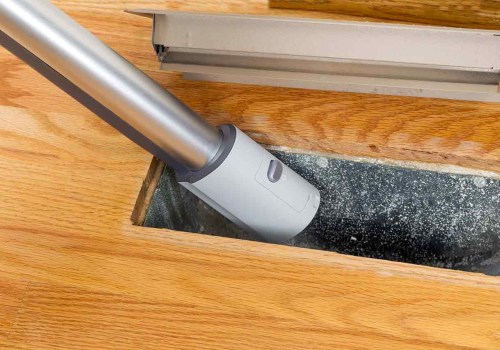
Vents, or ventilation grilles, are the visible components of your HVAC system that allow air to flow into and out of living spaces. While they require less intensive maintenance than air ducts, they still need regular attention.- Regular Cleaning: Homeowners can easily clean vents by removing the grille and using a damp cloth or vacuum to eliminate dust and debris. This should be done at least twice a year to maintain proper airflow.
- Check for Blockages: Ensure that furniture or other objects do not obstruct vents.
Blocked vents can lead to uneven heating or cooling in your home.
- Adjusting Airflow: Many vents come with adjustable louvers. Homeowners should periodically check these settings to optimize airflow based on seasonal needs.
The Importance of Proper Installation
When it comes to HVAC systems, the significance of proper installation cannot be overstated. Both air ducts and vents play critical roles in ensuring that your heating, ventilation, and air conditioning system operates efficiently.However, if these components are not installed correctly, it can lead to a myriad of problems that affect both performance and energy consumption.
Understanding the Installation Process
The installation of air ducts involves creating a network that effectively distributes conditioned air throughout your home. This process requires precise measurements and careful planning to ensure that the ducts are appropriately sized for your space. If air ducts are too small or too large, it can result in inadequate airflow, leading to hot or cold spots in your home.Similarly, the installation of vents is equally important. Vents must be positioned strategically to allow for optimal air circulation.
Poorly placed vents can obstruct airflow, making it difficult for your HVAC system to maintain a consistent temperature.
Consequences of Poor Installation
- Air Leaks: One of the most common issues arising from improper air duct installation is air leaks. If ducts are not sealed correctly, conditioned air can escape into unconditioned spaces like attics or crawl spaces. This not only reduces the efficiency of your HVAC system but also increases energy bills.
- Increased Wear and Tear: When air ducts are poorly installed, the HVAC system has to work harder to maintain desired temperatures. This added strain can lead to premature wear and tear on components, resulting in costly repairs or replacements.
- Poor Indoor Air Quality: Improperly installed ducts can also contribute to poor indoor air quality.
Dust, allergens, and other pollutants can accumulate in unsealed ducts, which may then be circulated throughout your home.
The Role of Professionals
Given the complexities involved in installing both air ducts and vents, it is highly advisable to hire professionals who specialize in HVAC installation. Experienced technicians understand the nuances of ductwork design and can ensure that all components are installed according to industry standards. They will also conduct thorough inspections post-installation to identify any potential issues before they become significant problems.In conclusion, the importance of proper installation for both air ducts and vents cannot be overlooked. Investing in professional installation not only enhances the efficiency of your HVAC system but also contributes to a healthier living environment.
By prioritizing correct installation practices, homeowners can enjoy consistent comfort while minimizing energy costs.
Impact on Indoor Air Quality
Indoor air quality (IAQ) is a critical aspect of maintaining a healthy living environment. The air we breathe indoors can significantly impact our health, comfort, and overall well-being. Both air ducts and vents play pivotal roles in determining the quality of indoor air, and understanding their functions can help homeowners take proactive measures to ensure cleaner air.How Air Ducts Affect Air Quality
Air ducts are the hidden pathways that transport conditioned air throughout your home. However, over time, these ducts can accumulate dust, allergens, and other pollutants.
When the HVAC system operates, these contaminants can be circulated back into the living spaces, leading to poor indoor air quality. Regular cleaning and maintenance of air ducts are essential to minimize this risk.
- Dust and Allergens: Dust mites, pet dander, and pollen can settle in the ducts. When the system is turned on, these particles are released into the air, potentially triggering allergies or respiratory issues.
- Mold Growth: If moisture accumulates in the ducts due to leaks or high humidity, it can create an ideal environment for mold growth. Mold spores can then spread throughout the home, posing serious health risks.
- Odors: Stagnant air in dirty ducts can lead to unpleasant odors that permeate your living spaces.
Regular cleaning helps eliminate these smells.
How Vents Affect Air Quality
While air ducts transport air, vents are the final point of contact where that air enters your living spaces. Properly functioning vents are crucial for maintaining good indoor air quality.
- Airflow Control: Vents regulate airflow into rooms. If they are blocked or malfunctioning, it can lead to uneven heating or cooling and stagnant air pockets that may harbor pollutants.
- Ventilation: Open vents allow fresh outdoor air to mix with indoor air, which is vital for diluting indoor pollutants. Ensuring that vents are clean and unobstructed promotes better ventilation.
- Regular Maintenance: Homeowners should routinely check and clean their vents to prevent dust buildup and ensure optimal airflow.
This simple task can significantly enhance indoor air quality.
Common Misconceptions About Air Ducts and Vents
When it comes to understanding HVAC systems, there are numerous misconceptions that can lead to confusion about the roles of air ducts and vents. Addressing these myths is crucial for homeowners who want to maintain an efficient and healthy indoor environment.Myth 1: Air Ducts and Vents Are the Same
One of the most prevalent misconceptions is that air ducts and vents serve the same purpose. In reality, air ducts are the hidden pathways that transport heated or cooled air throughout your home, while vents are the visible outlets that allow this air to enter or exit a room.
Understanding this distinction is vital for effective HVAC maintenance.
Myth 2: Cleaning Air Ducts Is Unnecessary
Another common myth is that air ducts do not require regular cleaning. In truth, dust, allergens, and even mold can accumulate in air ducts over time, potentially compromising indoor air quality. Regular professional cleaning is essential to ensure that your HVAC system operates efficiently and that the air you breathe is clean.
Myth 3: Closing Vents Saves Energy
Many homeowners believe that closing vents in unused rooms will save energy costs. However, this practice can actually create pressure imbalances within the HVAC system, leading to inefficiencies and increased wear on the system.
Instead of closing vents, consider adjusting your thermostat or using zoning systems for better energy management.
Myth 4: All Vents Are Adjustable
Some people assume that all vents can be adjusted to control airflow. While many vents do have adjustable louvers, not all types allow for this feature. It’s important to check your specific vent type and understand how it operates to avoid damaging it or mismanaging airflow.
Myth 5: Air Ducts Don’t Affect Indoor Air Quality
Lastly, a significant misconception is that air ducts have no impact on indoor air quality. In fact, poorly maintained or damaged air ducts can circulate dust, allergens, and other pollutants throughout your home.
Regular inspections and maintenance are crucial for ensuring that your air ducts contribute positively to your indoor environment.By debunking these common myths about air ducts and vents, homeowners can make more informed decisions regarding their HVAC systems. Understanding the true functions of these components not only enhances energy efficiency but also promotes a healthier living space.
FAQs About Air Ducts and Vents
Understanding air ducts and vents is crucial for maintaining a comfortable and healthy living environment. Here are some frequently asked questions that can help clarify common concerns among homeowners.- What is the average lifespan of air ducts?
The lifespan of air ducts can vary significantly based on the material used, installation quality, and maintenance practices. Generally, metal ducts can last between 15 to 25 years, while flexible ducts may have a shorter lifespan of around 10 to 15 years.Regular inspections and maintenance can help extend their longevity. If you notice signs of wear, such as rust or significant dust buildup, it may be time to consider replacement.
- How often should I clean my vents?
Cleaning your vents is essential for maintaining good air quality and system efficiency. It is recommended to clean your vents at least once a year. However, if you have pets, allergies, or live in a dusty area, you may need to clean them more frequently—every six months could be ideal in such cases.Regular cleaning helps prevent dust accumulation and ensures that your HVAC system operates efficiently.
- Can I install my own air ducts?
While some homeowners may feel confident in their DIY skills, installing air ducts is a complex task that typically requires professional expertise. Proper installation is critical to avoid issues such as air leaks or inadequate airflow, which can lead to higher energy bills and reduced system efficiency. If you are considering a new installation or replacement, it’s best to consult with a licensed HVAC contractor who can ensure that the job is done correctly.
<strong>Conclusion</strong>
In summary, understanding the distinction between air ducts and ventilation grilles is crucial for homeowners and anyone involved in maintaining HVAC systems.While both components play vital roles in ensuring efficient airflow and indoor air quality, their functions, materials, and maintenance requirements differ significantly.Air ducts serve as the backbone of your heating and cooling system, transporting conditioned air throughout your home. Their design and installation directly impact the efficiency of your HVAC system. Poorly installed or damaged air ducts can lead to significant energy loss, resulting in higher utility bills and reduced comfort levels within your living spaces. Therefore, it is essential to have them inspected and maintained by professionals who can ensure they are functioning optimally.On the other hand, ventilation grilles act as the interface between the air ducts and your living environment.
They allow for the controlled flow of air into rooms, making them essential for maintaining a comfortable atmosphere. Regular cleaning of these grilles is necessary to prevent dust buildup that can obstruct airflow and diminish indoor air quality. Homeowners can easily manage this aspect of maintenance, but it should not be overlooked.Moreover, recognizing the differences between these two components can empower homeowners to make informed decisions regarding their HVAC systems. Whether it’s scheduling routine maintenance or understanding when to call in a professional, knowledge is key.
By prioritizing both air duct care and ventilation grille upkeep, you can enhance the overall performance of your HVAC system.Ultimately, a well-maintained HVAC system not only ensures comfort but also contributes to a healthier living environment. Clean air is essential for well-being, and understanding how air ducts and vents work together can help you achieve that goal. As you move forward with your home maintenance plans, keep these distinctions in mind to ensure that your HVAC system operates at its best.