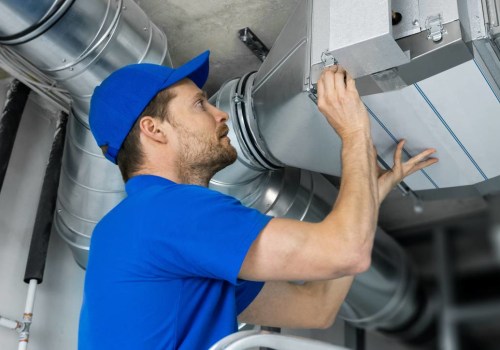
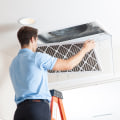
Air ducts are a crucial component of any HVAC system, serving as the pathways through which heated or cooled air circulates throughout a building. These ducts are typically made from a variety of materials, including sheet metal, fiberglass, or flexible plastic, and they play a vital role in maintaining a comfortable indoor environment. Understanding the function of air ducts is essential for homeowners who want to ensure their HVAC systems operate efficiently and effectively.The primary function of air ducts is to transport conditioned air from the heating or cooling unit to various rooms in a home. This process not only regulates temperature but also helps maintain indoor air quality.
As air moves through the ducts, it can pick up dust, allergens, and other contaminants that may be present in the environment. Over time, these particles can accumulate within the ductwork, potentially leading to decreased air quality and increased health risks for occupants.Moreover, the design and layout of air ducts can significantly impact the overall efficiency of an HVAC system. Properly sized and sealed ducts ensure that air flows freely without leaks or blockages, which can lead to energy waste and higher utility bills. Regular maintenance and inspection of air ducts are essential to identify any issues that may arise, such as obstructions or damage that could hinder airflow.In summary, understanding how air ducts function within an HVAC system is fundamental for homeowners looking to optimize their indoor environment.
By recognizing the importance of clean and well-maintained ductwork, individuals can take proactive steps to enhance their home's air quality and overall comfort.
The Duct Cleaning Process: What to Expect
Understanding the duct cleaning process is essential for homeowners considering this service. Knowing what to expect can help you evaluate the credibility of service providers and ensure that you receive a thorough cleaning. Here’s a breakdown of the typical steps involved in the duct cleaning process.1.Initial Inspection
The process usually begins with a comprehensive inspection of your HVAC system and ductwork. Technicians will assess the condition of your ducts, looking for signs of dust accumulation, mold growth, or any obstructions.
This step is crucial as it helps determine the extent of cleaning required and identifies any potential issues that need addressing.
2.Preparation
Before starting the cleaning, technicians will prepare the area by covering vents and registers with protective materials to prevent dust from escaping into your home. They may also use drop cloths to protect your floors and furniture from debris.
3.Equipment Setup
Professional duct cleaning services utilize specialized equipment designed for effective cleaning. This typically includes:
- Vacuum Systems: High-powered vacuums create negative pressure within the ducts, ensuring that dust and debris are effectively removed.
- Brushes and Agitation Tools: These tools help dislodge stubborn dirt and contaminants from the duct walls.
- Air Compressors: In some cases, air compressors are used to blow out debris from hard-to-reach areas.
4.Cleaning Process
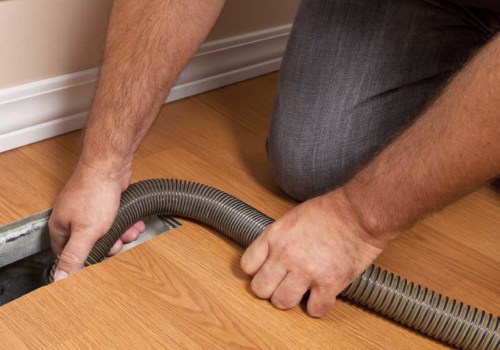
The actual cleaning involves inserting brushes or agitation tools into the ducts while simultaneously using vacuum systems to capture dislodged particles. Technicians will work their way through each section of the ductwork, ensuring that all areas are thoroughly cleaned.
This step may also include cleaning other components of your HVAC system, such as the blower motor and coils, to enhance overall efficiency.
5.Final Inspection and Sanitization
After cleaning, technicians will conduct a final inspection to ensure that all ducts are free from debris. Some companies may offer additional sanitization services, applying antimicrobial agents to inhibit mold growth and bacteria in the future.
6.Post-Cleaning Recommendations
Finally, reputable service providers will offer recommendations for maintaining clean ducts moving forward. This may include advice on changing air filters regularly and scheduling routine maintenance checks for your HVAC system.By understanding these steps, you can better assess the quality of duct cleaning services offered in your area and make an informed decision about whether this service is right for you.
Common Myths About Duct Cleaning
When it comes to duct cleaning, many homeowners are often misled by common myths and misconceptions. Understanding the truth behind these beliefs is essential for making informed decisions about your home’s air quality and HVAC maintenance.Myth 1: Duct Cleaning is Essential for Health
One of the most pervasive myths is that cleaning your air ducts is crucial for maintaining good health.
While it’s true that clean air can contribute to better overall well-being, the reality is that there is no substantial scientific evidence linking duct cleaning directly to health improvements. The Environmental Protection Agency (EPA) has stated that duct cleaning should only be performed when there is visible mold growth or a significant accumulation of dust and debris. For most households, regular maintenance, such as changing air filters, is sufficient to maintain acceptable air quality.
Myth 2: Duct Cleaning Should Be Done Annually
Another common misconception is that duct cleaning should be a routine annual service. In fact, the frequency of duct cleaning depends on various factors, including:
- The presence of pets in the home
- Allergies or respiratory issues among residents
- Recent renovations or construction work
- The overall cleanliness of the home
Myth 3: All Duct Cleaning Services Are the Same
Not all duct cleaning services are created equal.
Some companies may use subpar equipment or techniques that can actually damage your ducts rather than clean them effectively. It’s crucial to research and choose a reputable service provider who employs trained professionals and follows industry standards. Look for certifications and customer reviews to ensure you’re making a wise choice.
Myth 4: Duct Cleaning Eliminates All Allergens
While duct cleaning can help reduce dust and debris in your HVAC system, it does not eliminate all allergens from your home. Factors such as outdoor pollution, indoor activities, and even the materials used in your home can contribute to allergen levels.
Regular cleaning and maintenance of your home, including vacuuming and dusting, are essential for minimizing allergens.By debunking these myths surrounding duct cleaning, homeowners can make more informed decisions about their HVAC maintenance and focus on practices that genuinely enhance their indoor air quality.
Health Benefits: Fact or Fiction?
When it comes to the health benefits of duct cleaning, many homeowners find themselves caught in a web of conflicting information. Numerous advertisements tout the advantages of having clean air ducts, claiming that it leads to improved health by reducing allergens and contaminants in the home. However, a closer examination reveals that these claims may not be as substantiated as they seem.The primary assertion made by duct cleaning companies is that removing dust, mold, and other pollutants from air ducts can significantly enhance indoor air quality. While it is true that air quality plays a crucial role in overall health, the relationship between duct cleaning and health benefits is not as straightforward.The Environmental Protection Agency (EPA) has stated that there is no definitive evidence linking duct cleaning to improved health outcomes for the general population.One of the main concerns regarding air ducts is the accumulation of allergens such as dust mites, pet dander, and pollen. These particles can indeed circulate through your home’s ventilation system, potentially exacerbating allergies or respiratory issues for sensitive individuals. However, studies have shown that simply cleaning air ducts does not necessarily eliminate these allergens from your living environment. In fact, regular maintenance practices such as changing air filters and keeping your home clean can be more effective in managing indoor allergens.
Scientific Evidence
- The EPA emphasizes that while duct cleaning may help remove visible dust and debris, it does not guarantee a significant reduction in airborne particles.
- Research indicates that most indoor air quality issues stem from sources other than dirty ducts, such as inadequate ventilation or the presence of indoor pollutants.
- For individuals with specific health conditions like asthma or severe allergies, consulting with a healthcare professional about potential benefits of duct cleaning may be advisable.
This highlights the importance of hiring qualified professionals who use appropriate methods to minimize disruption during cleaning.In conclusion, while maintaining clean air ducts can contribute to better air quality, it is essential to recognize that duct cleaning alone is unlikely to provide significant health benefits for most people. Instead, focusing on comprehensive HVAC maintenance and adopting good indoor air quality practices will yield more substantial results in promoting a healthier living environment.
Potential Risks of Duct Cleaning
While duct cleaning can offer some benefits, it is essential to be aware of the potential risks associated with the process. Understanding these risks can help homeowners make informed decisions and ensure that their HVAC systems remain in optimal condition.1.Risk of Duct Damage
One of the most significant concerns regarding duct cleaning is the potential for damage to the ducts themselves. The cleaning process often involves the use of long hoses and powerful vacuums, which, if not handled correctly, can lead to:
- Tears and Leaks: Improperly maneuvered equipment can cause tears in the ductwork, leading to air leaks.
These leaks not only reduce the efficiency of your HVAC system but can also allow contaminants to enter your home.
- Dislodging Contaminants: If ducts are not cleaned carefully, debris may be pushed further into the system rather than removed. This can exacerbate existing issues and lead to more significant problems down the line.
- Structural Damage: Older duct systems may be more susceptible to damage during cleaning. If your ducts are made from fragile materials, they may not withstand aggressive cleaning methods.
2.Impact on HVAC Efficiency
Cleaning ducts improperly can also affect the overall efficiency of your HVAC system. For instance:
- Increased Energy Costs: Damaged ducts can lead to increased energy consumption as your HVAC system works harder to maintain desired temperatures.
- Reduced Airflow: If debris is pushed deeper into the system or if ducts are damaged, airflow may be restricted, leading to uneven heating or cooling throughout your home.
3.Importance of Professional Services
Given these risks, it is crucial to hire qualified professionals for duct cleaning.
A trained technician will have the expertise and tools necessary to clean your ducts safely and effectively. When selecting a service provider, consider the following:
- Certification and Experience: Look for companies that are certified by recognized organizations in the HVAC industry. Experienced technicians will understand how to navigate potential pitfalls during the cleaning process.
- Insurance Coverage: Ensure that the company carries liability insurance. This protects you in case of any accidental damage during the cleaning process.
- References and Reviews: Check online reviews and ask for references from previous clients to gauge the quality of service provided by the company.
By hiring qualified professionals and understanding the implications of duct cleaning, homeowners can protect their HVAC systems and ensure a healthier living environment.
Cost Considerations: Is Duct Cleaning Worth It?
When considering whether to invest in duct cleaning, understanding the associated costs is crucial. The price of air duct cleaning can vary significantly based on several factors, making it essential for homeowners to evaluate their specific situations before making a decision.Average Costs of Duct Cleaning
On average, homeowners can expect to pay between $300 and $500 for professional duct cleaning services. However, this range can fluctuate based on the size of the home, the complexity of the ductwork, and the level of contamination present. For larger homes or those with extensive duct systems, costs can rise to $1,000 or more.
Factors Influencing Pricing
- Home Size: Larger homes typically have more extensive duct systems, which require more time and effort to clean.
- Duct Condition: If ducts are heavily contaminated with dust, mold, or debris, additional cleaning methods may be necessary, increasing costs.
- Accessibility: Ducts that are difficult to access may require specialized equipment or additional labor, impacting the overall price.
- Location: Prices can vary by region due to differences in labor costs and demand for services.
- Additional Services: Some companies offer bundled services such as dryer vent cleaning or HVAC system inspections, which can affect the total cost.
Is Duct Cleaning Worth It?
The question of whether duct cleaning is worth the investment largely depends on individual circumstances.
For homeowners experiencing issues such as persistent allergies, respiratory problems, or visible mold growth in their ducts, the benefits may outweigh the costs. In contrast, for those without significant concerns about air quality or duct condition, regular maintenance practices—like changing air filters and scheduling routine HVAC check-ups—may be sufficient.Ultimately, it’s advisable to obtain quotes from multiple service providers and inquire about their cleaning methods and any guarantees they offer. This will help ensure that you make an informed decision that aligns with your budget and health needs.
Alternatives to Duct Cleaning: Maintaining Air Quality
While duct cleaning is often marketed as a necessary service for maintaining air quality, there are several effective alternatives that homeowners can implement to ensure a healthy indoor environment. By focusing on regular maintenance and adopting proactive strategies, you can significantly improve the air quality in your home without the need for costly duct cleaning services.Regular HVAC Maintenance
One of the most effective ways to maintain air quality is through consistent HVAC system maintenance.Here are some essential tips:
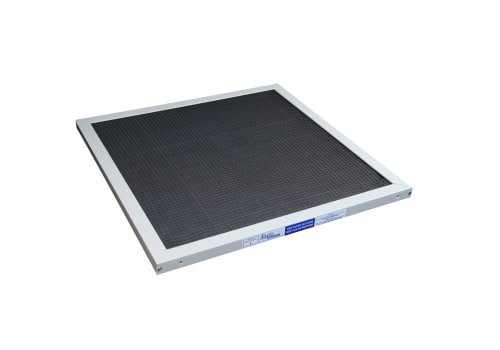
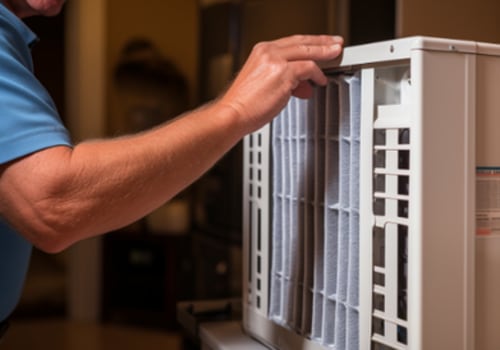
- Change Air Filters Regularly: Air filters play a crucial role in trapping dust, allergens, and other particles. It is recommended to check and replace filters every 1-3 months, depending on usage and the type of filter.
- Schedule Professional Inspections: Annual inspections by a qualified HVAC technician can help identify potential issues before they become significant problems. Technicians can clean components like coils and fans, which can enhance system efficiency.
- Keep Vents Clear: Ensure that air vents are not obstructed by furniture or other items. This allows for proper airflow and reduces strain on the HVAC system.
- Seal Ducts Properly: Inspect ductwork for leaks or damage.
Sealing any gaps can prevent dust and pollutants from entering the system, improving overall air quality.
Enhancing Indoor Air Quality
In addition to HVAC maintenance, consider these strategies to further enhance indoor air quality:- Use Air Purifiers: Investing in high-quality air purifiers can help remove airborne particles, including allergens and pollutants. Look for models with HEPA filters for optimal performance.
- Increase Ventilation: Open windows when weather permits to allow fresh air to circulate. This can help dilute indoor pollutants and improve overall air quality.
- Add Indoor Plants: Certain houseplants can naturally filter toxins from the air. Consider adding plants like spider plants or peace lilies to your living spaces.
- Avoid Indoor Pollutants: Be mindful of products that release volatile organic compounds (VOCs), such as certain paints, cleaners, and air fresheners.
Opt for low-VOC or natural alternatives whenever possible.
When Should You Consider Duct Cleaning?
Understanding when to consider air duct cleaning is crucial for maintaining a healthy indoor environment. While regular maintenance is essential, there are specific scenarios that warrant professional intervention. Here are some key indicators that suggest it may be time to clean your air ducts:- Visible Mold Growth: If you notice mold growing inside your air ducts or on other components of your heating and cooling system, it’s imperative to act quickly.
Mold can release spores into the air, which can lead to serious health issues, especially for individuals with respiratory conditions.
- Excessive Dust Accumulation: If you find that dust accumulates rapidly on surfaces in your home, it may indicate that your air ducts are clogged with dust and debris. This can lead to poor air quality and increased allergy symptoms.
- Unpleasant Odors: Foul smells emanating from your vents can be a sign of decaying organic matter or mold within the ducts. If you detect persistent odors, it’s advisable to have your ducts inspected and cleaned.
- Pest Infestation: The presence of insects or rodents in your air ducts can lead to contamination and health risks. If you suspect pests have made their way into your HVAC system, cleaning is necessary to remove any droppings or debris they may have left behind.
- Recent Renovations: Home renovations can stir up dust and debris that may settle in your air ducts.
If you’ve recently completed a renovation project, consider having your ducts cleaned to eliminate any residual particles.
- Increased Allergy Symptoms: If you or your family members experience heightened allergy symptoms such as sneezing, coughing, or nasal congestion when the HVAC system is running, it could be a sign that allergens are circulating through dirty ducts.
FAQs About Duct Cleaning
When it comes to duct cleaning, many homeowners have questions about the process, its necessity, and how to maintain their air ducts effectively. Below are some of the most frequently asked questions regarding duct cleaning and maintenance.1.How often should I have my air ducts cleaned?
The frequency of air duct cleaning largely depends on various factors, including your location, the presence of pets, and whether anyone in your home suffers from allergies or respiratory issues. Generally, it is recommended to have your ducts cleaned every 3 to 5 years.However, if you notice significant dust buildup or experience increased allergy symptoms, it may be time for a cleaning sooner.
2.What are the signs that my air ducts need cleaning?
- Visible dust: If you can see dust accumulating around your vents or on surfaces in your home, it may indicate that your ducts are dirty.
- Mold growth: If you spot mold inside your ducts or around your HVAC system, it’s crucial to address this issue immediately.
- Unpleasant odors: Foul smells coming from your vents can signal that there is debris or mold in your ducts.
- Increased allergy symptoms: If you or family members experience worsening allergies or respiratory issues, dirty ducts could be a contributing factor.
3.Can I clean my air ducts myself?
While some homeowners may attempt to clean their air ducts themselves using vacuum attachments and brushes, this is generally not recommended. Professional duct cleaning services utilize specialized equipment and techniques that ensure a thorough cleaning without damaging the ductwork. Additionally, professionals can identify potential issues that may not be visible to the untrained eye.4.Is duct cleaning worth the cost?
The value of duct cleaning can vary based on individual circumstances. For homes with significant dust buildup, mold issues, or health concerns, investing in professional duct cleaning can lead to improved air quality and comfort.However, for many households, regular maintenance such as changing filters and ensuring proper airflow may suffice without the need for extensive cleaning.
5.What should I look for in a duct cleaning service?
When selecting a duct cleaning service, consider the following:- Certification: Ensure the company is certified by a recognized organization such as the National Air Duct Cleaners Association (NADCA).
- Experience: Look for companies with a proven track record and positive customer reviews.
- Transparent pricing: A reputable service provider should offer clear pricing without hidden fees.
- Comprehensive services: Choose a company that provides a thorough inspection and cleaning process.
Conclusion: Making Informed Decisions About Duct Cleaning
In summary, the conversation surrounding duct cleaning is often clouded by misconceptions and exaggerated claims. As we have explored throughout this article, it is essential to separate fact from fiction when considering whether to invest in this service. While there are instances where duct cleaning may be warranted, such as visible mold growth or significant dust accumulation, these situations are not as common as many advertisements suggest.One of the most critical takeaways is the potential for damage during the cleaning process. Improper techniques can lead to tears in your ducts, resulting in air leaks that compromise the efficiency of your HVAC system.Therefore, if you decide to pursue duct cleaning, it is imperative to hire a qualified professional who understands the intricacies of your system.Moreover, while some companies tout health benefits associated with clean air ducts, scientific evidence supporting these claims is lacking. The Environmental Protection Agency (EPA) has stated that there is no proven health advantage to having your ducts cleaned regularly. Instead, maintaining your HVAC system through routine tasks—like changing air filters and scheduling annual check-ups—can significantly enhance indoor air quality without the need for costly duct cleaning.Ultimately, making informed decisions about duct cleaning involves understanding both its potential benefits and drawbacks. Regular maintenance should be your primary focus, as it not only preserves the integrity of your HVAC system but also ensures a healthier living environment.
If you have concerns about your air quality or duct condition, consulting with a professional can provide tailored advice based on your specific circumstances.In conclusion, prioritize regular maintenance over unnecessary services. By doing so, you can save money and ensure that your home remains a comfortable and healthy space for you and your family.