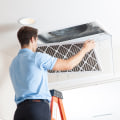
Air duct systems are a fundamental component of any heating, ventilation, and air conditioning (HVAC) system. They serve as the pathways through which conditioned air travels, ensuring that every corner of a building receives the necessary heating or cooling. The efficiency of these systems is heavily reliant on the proper functioning of air ducts, making it essential to understand their role in maintaining indoor air quality and comfort.When we talk about airflow , we refer to the movement of air through these ducts, which directly impacts the overall performance of the HVAC system. Proper airflow is crucial not only for achieving desired temperatures but also for ensuring that energy consumption remains at optimal levels.
If airflow is restricted or uneven, it can lead to increased energy costs and discomfort within the living or working space.Moreover, regular checks on airflow can help identify potential issues before they escalate into costly repairs. For instance, blockages caused by dust accumulation or structural issues within the ductwork can significantly hinder airflow. By routinely monitoring these systems, homeowners and facility managers can ensure that their HVAC systems operate efficiently, prolonging their lifespan and enhancing overall performance.In summary, understanding the importance of air duct systems and their impact on HVAC efficiency is vital for anyone looking to maintain a comfortable and cost-effective environment. Regularly checking airflow not only safeguards against inefficiencies but also promotes a healthier indoor atmosphere.
What is Airflow and Why is it Crucial?
Airflow refers to the movement of air through a system, particularly within the ductwork of heating, ventilation, and air conditioning (HVAC) systems.It is a critical component that directly influences the performance and efficiency of these systems. Understanding airflow is essential for maintaining a comfortable indoor environment and ensuring that HVAC systems operate effectively.In HVAC systems, airflow is typically measured in cubic feet per minute (CFM). This measurement indicates the volume of air that moves through the ducts over a specified period. Proper airflow is vital for several reasons:
- Temperature Regulation: Adequate airflow ensures that heated or cooled air is evenly distributed throughout a space.
Insufficient airflow can lead to hot or cold spots, making it difficult to maintain a consistent temperature.
- Energy Efficiency: When airflow is optimized, HVAC systems can operate more efficiently, reducing energy consumption and lowering utility bills. Poor airflow can cause systems to work harder than necessary, leading to increased wear and tear.
- Indoor Air Quality: Proper airflow helps in circulating fresh air and removing stale air, which is crucial for maintaining good indoor air quality. Stagnant air can lead to the buildup of pollutants and allergens.
- System Longevity: Regularly checking and maintaining airflow can extend the lifespan of HVAC equipment. Systems that are forced to work harder due to airflow issues are more likely to experience breakdowns and require costly repairs.
This includes inspecting for blockages, leaks, or any other issues that may impede air movement. By understanding the significance of airflow in HVAC systems, homeowners and facility managers can take proactive steps to maintain their systems, ensuring comfort and efficiency year-round.
The Role of Ductwork in Air Distribution
Ductwork plays a pivotal role in the air distribution system of any building, serving as the network through which conditioned air travels to various spaces. The design and layout of ductwork are critical factors that influence not only the efficiency of airflow but also the overall comfort and energy consumption within a structure.At its core, ductwork is designed to facilitate the movement of air from heating, ventilation, and air conditioning (HVAC) systems to different rooms. This process involves several key functions:- Air Supply: Ducts deliver heated or cooled air from the HVAC unit to living spaces, ensuring that each area receives adequate temperature control.
- Air Return: Return ducts are equally important as they draw air back to the HVAC system for reconditioning.
This cycle helps maintain consistent indoor air quality.
- Pressure Regulation: Properly designed ductwork helps maintain balanced pressure throughout the system, preventing issues such as drafts or hot/cold spots.
Each bend in a duct can create turbulence, which disrupts smooth airflow and can lead to energy loss. Therefore, a well-thought-out design not only optimizes airflow but also contributes to lower energy bills and improved system longevity.In summary, understanding the role of ductwork in air distribution is essential for maintaining an efficient HVAC system. Regular assessments of duct design and airflow can lead to significant improvements in comfort levels and energy efficiency within any building.
Common Issues Affecting Airflow in Ductwork
Maintaining optimal airflow in ductwork is essential for the efficiency of any HVAC system. However, several common issues can impede airflow, leading to decreased performance and increased energy costs.Understanding these problems is crucial for effective maintenance and ensuring a comfortable indoor environment.
- Blockages: One of the most frequent culprits of airflow issues is blockages within the ductwork. These can be caused by dust, debris, or even the growth of mold. Over time, these obstructions can accumulate, significantly reducing the volume of air that can pass through the ducts. Regular cleaning and inspections are vital to prevent such blockages from developing.
- Leaks: Duct leaks are another significant issue that can compromise airflow.
When there are gaps or holes in the ductwork, conditioned air escapes before it reaches its intended destination. This not only reduces efficiency but also leads to higher energy bills as the system works harder to maintain desired temperatures. Sealing these leaks with appropriate materials can restore proper airflow and improve system efficiency.
- Improper Sizing: The size of the ductwork plays a critical role in airflow. Ducts that are too small for the system can restrict airflow, while ducts that are too large may lead to uneven distribution of air.
It’s essential to ensure that duct sizing is appropriate for the HVAC system in use. Consulting with a professional can help determine if your ductwork is correctly sized.
- Damaged Ducts: Physical damage to ducts, such as dents or kinks, can also hinder airflow. These damages can occur during installation or as a result of wear and tear over time. Inspecting ducts for any signs of damage and addressing them promptly is crucial for maintaining proper airflow.
- Improperly Installed Dampers: Dampers are used to control airflow within the duct system.
If they are not installed correctly or are malfunctioning, they can restrict airflow to certain areas of a building. Regular checks on damper functionality can help ensure balanced airflow throughout your space.
How to Measure Airflow in Ductwork
Measuring airflow in ductwork is a critical step in maintaining an efficient HVAC system. Accurate airflow measurements can help identify issues such as blockages, leaks, or imbalances that may affect the overall performance of your heating and cooling systems.Below is a comprehensive guide on how to effectively measure airflow using an anemometer and other methods.
Using an Anemometer
An anemometer is a specialized instrument designed to measure air velocity, which can then be used to calculate the total airflow in ductwork. Here’s how to use it:- Choose the Right Anemometer: There are various types of anemometers available, including handheld and digital models. Select one that suits your needs and budget.
- Prepare the Ductwork: Before taking measurements, ensure that the ductwork is clean and free from obstructions. This will provide more accurate readings.
- Positioning the Anemometer: Hold the anemometer at the duct opening with the sensor facing into the airflow.
It’s crucial to position it correctly to capture accurate velocity readings.
- Take Multiple Readings: Move the anemometer to different points along the duct to gather a range of data. This helps account for any variations in airflow due to bends or obstructions in the duct.
- Calculate Airflow: To determine total airflow, multiply the average air velocity (measured in feet per minute) by the cross-sectional area of the duct (in square feet). The formula is: Airflow (CFM) = Velocity (FPM) x Area (sq ft).
Alternative Methods for Measuring Airflow
If you do not have access to an anemometer, there are alternative methods for estimating airflow:- Smoke Test: Introduce a non-toxic smoke source near the duct opening. Observe how quickly and evenly the smoke disperses; this can indicate airflow direction and strength.
- Pressure Testing: Use a manometer to measure static pressure in the ducts.
Comparing these readings can help identify areas of high resistance or leaks.
- Flow Hood: A flow hood can be placed over supply vents to measure total airflow directly. This method is particularly useful for larger systems.
The Benefits of Regular Airflow Checks
Regularly checking airflow in your air duct system offers a multitude of benefits that extend beyond mere comfort. These checks are essential for maintaining an efficient HVAC system, which can lead to significant savings and improved indoor air quality.1.Enhanced Energy Efficiency
One of the most compelling reasons to conduct regular airflow checks is the potential for enhanced energy efficiency.
When airflow is restricted due to blockages or leaks in the ductwork, your HVAC system has to work harder to maintain the desired temperature. This increased workload translates into higher energy consumption and elevated utility bills. By ensuring that airflow is optimal, you can reduce energy usage, leading to lower costs and a smaller carbon footprint.
2.Improved Comfort Levels
Another significant advantage of monitoring airflow is the improvement in overall comfort within your living or working space. Uneven airflow can result in hot or cold spots throughout a building, making it difficult to maintain a consistent temperature.
Regular checks help identify and rectify these issues, ensuring that every room receives adequate heating or cooling. This not only enhances comfort but also contributes to a more pleasant indoor environment.
3.Prolonged Equipment Lifespan
HVAC systems are a considerable investment, and their longevity is often tied to how well they are maintained. Regular airflow checks can help identify potential problems before they escalate into major repairs or replacements. For instance, if airflow is restricted, components such as the compressor may overheat, leading to premature failure.
By addressing airflow issues promptly, you can extend the lifespan of your HVAC equipment, ultimately saving money on costly replacements.
4.Better Indoor Air Quality
Airflow checks also play a crucial role in maintaining good indoor air quality. Blocked ducts can trap dust, allergens, and other pollutants, which can then circulate throughout your home or office. Regularly assessing and cleaning your ductwork ensures that these contaminants are minimized, promoting healthier air for occupants.
5.Increased System Reliability
Finally, consistent airflow checks contribute to the overall reliability of your HVAC system. By regularly monitoring performance metrics, you can catch small issues before they develop into larger problems that could lead to system failures during extreme weather conditions.
This proactive approach not only ensures comfort but also provides peace of mind.In summary, the benefits of regularly checking airflow in ductwork are substantial. From enhancing energy efficiency and comfort levels to prolonging equipment lifespan and improving indoor air quality, these checks are an integral part of effective HVAC maintenance.
Signs You Need to Check Your Ductwork Airflow
Recognizing the signs that indicate a need to check your ductwork's airflow is essential for maintaining an efficient HVAC system. Ignoring these indicators can lead to more significant problems down the line, including increased energy costs and reduced comfort in your home. Here are some key signs to watch for:- Inconsistent Temperatures: If certain rooms in your home are significantly warmer or cooler than others, it may be a sign of poor airflow in the ductwork.
This inconsistency can lead to discomfort and may indicate blockages or leaks in the ducts.
- Unusual Noises: Sounds such as whistling, banging, or hissing coming from your ducts can signal airflow issues. These noises often indicate that air is struggling to pass through the system, which could be due to obstructions or improperly sized ducts.
- Increased Energy Bills: A sudden spike in your energy bills without a corresponding increase in usage can suggest that your HVAC system is working harder than necessary. Poor airflow can cause the system to run longer to maintain desired temperatures, leading to higher costs.
- Dust Accumulation: If you notice excessive dust buildup on furniture or surfaces, it may be a sign that your air ducts are not circulating air effectively. This can lead to poor indoor air quality and health issues over time.
- Frequent System Cycling: If your HVAC system frequently turns on and off (short cycling), it may be struggling with airflow issues.
This not only affects comfort but can also lead to wear and tear on the system.
- Odors: Unpleasant smells emanating from your vents can indicate mold growth or other contaminants within the ductwork. Poor airflow can contribute to moisture buildup, creating an environment conducive to mold.
DIY vs.
Professional Airflow Checks: What You Need to KnowWhen it comes to checking airflow in your air ducts, homeowners often face the decision of whether to tackle the task themselves or hire a professional HVAC service. Both options have their merits, and understanding the differences can help you make an informed choice.
DIY Airflow Checks
For those who are handy and enjoy home improvement projects, conducting a DIY airflow check can be a rewarding experience. Here are some steps you can take:
- Gather Necessary Tools: Basic tools such as an anemometer, tape measure, and possibly a screwdriver will be essential. An anemometer is particularly useful for measuring air velocity.
- Inspect Vents and Registers: Before measuring airflow, ensure that all vents and registers are unobstructed.
Dust, furniture, or other items can significantly affect airflow.
- Measure Airflow: Position the anemometer at various points along the ductwork to get a comprehensive view of airflow. Take multiple readings to ensure accuracy.
- Analyze Results: Compare the airflow measurements from supply and return ducts. A significant discrepancy may indicate issues such as blockages or leaks.
When to Hire Professionals
There are specific scenarios where enlisting the help of professional HVAC services is advisable:
- Complex Systems: If your HVAC system is complex or has multiple zones, professionals have the expertise to diagnose issues that may not be apparent to the average homeowner.
- In-depth Inspections: Professionals can conduct comprehensive inspections that include checking for duct leaks, insulation problems, and overall system efficiency.
- Safety Concerns: If you suspect mold growth or other hazardous conditions within your ductwork, it’s best to leave it to the experts who have the proper equipment and training.
- Lack of Time or Expertise: If you’re unsure about your ability to perform a thorough check or simply don’t have the time, hiring a professional can save you stress and ensure accurate results.
Frequently Asked Questions About Airflow in Ductwork
Understanding airflow in ductwork is essential for maintaining an efficient HVAC system.Here are some frequently asked questions that can help clarify common concerns regarding air ducts and airflow.
What is the ideal airflow rate for residential ductwork?
The ideal airflow rate can vary based on the size of your home and the specific HVAC system in use. However, a general guideline is that supply ducts should deliver between 400 to 600 cubic feet per minute (CFM) per ton of cooling capacity. For heating, the airflow should be adjusted according to the system's specifications. Regular checks can help ensure that your system operates within these parameters.How often should I check my ductwork for airflow issues?
It is recommended to check your ductwork at least once a year, ideally during routine HVAC maintenance.This allows you to identify any potential issues early on, such as blockages or leaks, which can significantly affect airflow and overall system efficiency.
What are the signs of poor airflow in my ducts?
- Inconsistent temperatures: Rooms that are too hot or too cold compared to others may indicate airflow problems.
- Unusual noises: Whistling or banging sounds can suggest blockages or loose components in the ductwork.
- Increased energy bills: A sudden spike in energy costs may be a sign that your HVAC system is working harder due to restricted airflow.
Can I improve airflow in my existing ductwork?
Yes, there are several methods to enhance airflow in your ductwork:- Regular cleaning: Dust and debris can accumulate over time, restricting airflow. Schedule professional cleaning to maintain optimal performance.
- Duct sealing: Leaks can lead to significant losses in airflow. Sealing these leaks with appropriate materials can improve efficiency.
- Adjusting vents: Ensure that vents are open and unobstructed by furniture or other objects to allow for proper air distribution.
What tools can I use to measure airflow in my ducts?
The most common tool for measuring airflow is an anemometer, which provides accurate readings of air velocity. Additionally, you may consider using a manometer to measure pressure differences within the duct system, which can also indicate potential issues with airflow.By addressing these frequently asked questions, homeowners can gain a better understanding of their HVAC systems and take proactive steps to ensure efficient operation and comfort throughout their living spaces.Conclusion: Ensuring Optimal Airflow for Your HVAC System
In conclusion, the significance of regularly checking airflow in your air duct system cannot be overstated.Proper airflow is essential for the efficient operation of your HVAC system, directly impacting energy consumption, indoor air quality, and overall comfort levels within your home or business.Throughout this article, we have explored various aspects of airflow management, emphasizing that consistent monitoring can help identify potential issues before they escalate into costly repairs. By utilizing tools such as an anemometer, you can gain valuable insights into the performance of your ductwork. This proactive approach not only enhances system efficiency but also prolongs the lifespan of your HVAC equipment.Moreover, maintaining balanced airflow between supply and return ducts is crucial. An imbalance can lead to discomfort, increased energy bills, and even damage to your HVAC system.
Regular checks allow you to ensure that air is flowing evenly throughout your space, promoting a healthier environment.To summarize the key points:
- Regular airflow checks are vital for maintaining HVAC efficiency.
- Using an anemometer provides accurate measurements of air velocity.
- Monitoring airflow helps identify imbalances between supply and return ducts.
- Proactive maintenance can prevent costly repairs and extend equipment lifespan.
- Balanced airflow contributes to improved indoor air quality and comfort.