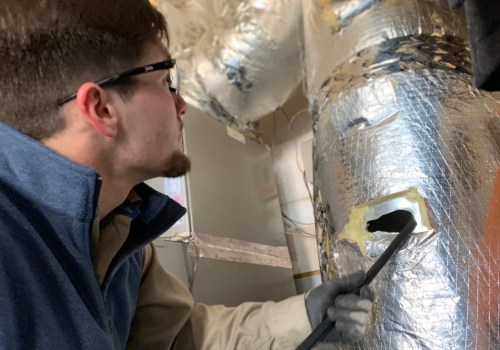
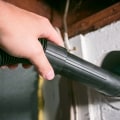
Air ducts are a crucial component of any HVAC system , serving as the pathways through which heated or cooled air circulates throughout your home. These ducts are typically made from a variety of materials, including sheet metal, fiberglass, or flexible plastic, and they play a vital role in maintaining indoor comfort. By effectively distributing air from your heating and cooling units, air ducts help regulate temperature and ensure that every room in your home receives adequate airflow.The function of air ducts extends beyond mere temperature control; they also contribute to the overall efficiency of your HVAC system. When air can flow freely through clean and well-maintained ducts, your heating and cooling systems do not have to work as hard to maintain the desired temperature.
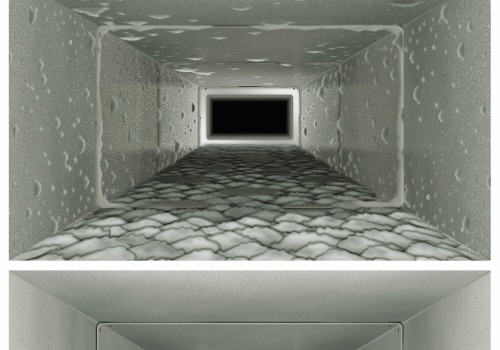
This can lead to lower energy bills and a longer lifespan for your HVAC equipment. Conversely, when ducts become clogged with dust, debris, or other contaminants, it can hinder airflow, forcing your system to operate inefficiently and potentially leading to costly repairs.Understanding the importance of air ducts is essential for homeowners who want to optimize their indoor environment. Not only do these ducts facilitate comfortable living conditions, but they also play a significant role in indoor air quality. Contaminants that accumulate in the ductwork can be circulated throughout your home, affecting the health and well-being of its occupants.
Therefore, maintaining clean air ducts is not just about comfort; it’s also about ensuring a healthy living space.As we delve deeper into the topic of duct cleaning, it’s important to recognize that while air ducts are integral to HVAC systems, the necessity and effectiveness of cleaning them is often misunderstood. Many homeowners may feel compelled to invest in duct cleaning services based on misconceptions about their function and maintenance needs. By exploring these myths and understanding the true role of air ducts, you can make informed decisions about your home’s HVAC system.
Common Myths About Duct Cleaning
When it comes to duct cleaning, many homeowners are often misled by common myths that circulate within the industry. Understanding these misconceptions is essential for making informed decisions about your home’s air quality and HVAC system.Myth 1: Duct Cleaning Significantly Improves Air Quality
One of the most prevalent beliefs is that cleaning your air ducts will drastically enhance the air quality in your home.
While it seems logical that removing dust and debris from your ducts would lead to cleaner air, studies have shown that the actual impact is minimal. Most of the dust and allergens in your home come from everyday activities, such as cooking, cleaning, and even shedding skin cells. Therefore, simply cleaning the ducts may not address the root causes of poor air quality.
Myth 2: Duct Cleaning Leads to Energy Efficiency
Another common misconception is that air duct cleaning will result in significant energy savings. While it’s true that a clean HVAC system can operate more efficiently, the reality is that most energy loss occurs due to factors like poor insulation or leaks in the ductwork itself.
Cleaning ducts may provide a slight improvement, but it is unlikely to yield substantial energy savings.
Myth 3: All Duct Cleaning Services Are the Same
Homeowners often assume that all duct cleaning services offer the same level of quality and thoroughness. However, this is far from the truth. The methods and equipment used can vary significantly between companies. Some may use outdated techniques that do not effectively remove contaminants, while others may employ advanced technology that can actually cause damage to your ductwork if not handled properly.
Myth 4: Duct Cleaning Is a One-Time Solution
Many believe that once they have their ducts cleaned, they won’t need to worry about them again for years.
In reality, duct cleaning should not be viewed as a one-time fix. Regular maintenance, including changing air filters and addressing any leaks or moisture issues, is crucial for maintaining good air quality and system efficiency.
Myth 5: Duct Cleaning Eliminates Mold Problems
A common belief is that duct cleaning can eliminate mold issues within a home. However, mold growth is typically a symptom of moisture problems rather than a direct result of dirty ducts. If mold is present in your HVAC system, simply cleaning the ducts will not resolve the underlying moisture issue; professional inspection and remediation are necessary.By debunking these myths surrounding duct cleaning, homeowners can make more informed choices about their HVAC maintenance and focus on effective strategies for improving indoor air quality.
The Science Behind Air Quality and Duct Cleaning
When it comes to understanding the relationship between air quality and duct cleaning, it is essential to rely on scientific evidence rather than marketing claims.Numerous studies have been conducted to evaluate the impact of duct cleaning on indoor air quality, and the results are often surprising.One of the most comprehensive studies was conducted by the Environmental Protection Agency (EPA) , which found that while dust and allergens can accumulate in air ducts, the act of cleaning them does not necessarily lead to improved air quality. In fact, the EPA concluded that there is insufficient evidence to support the idea that duct cleaning significantly reduces airborne particles or improves health outcomes for individuals with respiratory issues.Moreover, a study published in the Journal of Occupational and Environmental Hygiene examined the effects of duct cleaning on indoor air quality. The researchers found that while duct cleaning can remove some dust and debris, it often stirs up settled particles, temporarily increasing airborne dust levels. This can exacerbate allergies and asthma symptoms rather than alleviate them.Another critical aspect to consider is the potential for examined the effects of duct cleaning on indoor air quality. The researchers found that while duct cleaning can remove some dust and debris, it often stirs up settled particles, temporarily increasing airborne dust levels. This can exacerbate allergies and asthma symptoms rather than alleviate them.Another critical aspect to consider is the potential for negative health effects associated with duct cleaning.
The process typically involves using high-powered vacuums and blowers that can disturb not only dust but also mold spores and other allergens that have settled within the ducts. If these particles are released back into the air, they can pose a greater risk to individuals with pre-existing health conditions.Furthermore, many duct cleaning companies may not adhere to standardized practices, leading to inconsistent results. Some may use inadequate equipment or techniques that fail to effectively clean the ducts, leaving behind contaminants that could further compromise indoor air quality.In summary, while maintaining a clean environment is crucial for good health, duct cleaning may not be the panacea it is often marketed as. Homeowners should be cautious and consider consulting with HVAC professionals who prioritize comprehensive maintenance over unnecessary duct cleaning services.
Regularly changing air filters and ensuring proper ventilation are more effective strategies for improving indoor air quality without the risks associated with duct cleaning.
Potential Risks of Duct Cleaning Services
While the idea of duct cleaning may seem appealing, it is essential for homeowners to be aware of the potential risks associated with this service. Understanding these risks can help you make an informed decision about whether duct cleaning is truly necessary for your home.Potential Damage to Ducts
One of the most significant risks of duct cleaning is the potential for damage to your ductwork. Many duct cleaning companies use powerful vacuum systems and brushes that can inadvertently harm the ducts, especially if they are made from fragile materials like fiberglass or thin metal. This damage can lead to:- Leaks: If ducts are punctured or torn during cleaning, it can create leaks that allow conditioned air to escape, reducing the efficiency of your HVAC system.
- Displacement: Improper handling of ducts can cause them to become dislodged from their connections, leading to airflow issues and increased energy costs.
- Contamination: If not cleaned properly, debris and dust can be pushed further into the system, potentially leading to more significant contamination issues.
Health Risks from Disturbed Dust and Allergens
Another critical concern regarding duct cleaning is the health risks associated with disturbing dust and allergens that have settled within the ducts.When ducts are cleaned, it is common for previously settled particles to be stirred up and released into the air. This can lead to:
- Asthma and Allergies: For individuals with respiratory conditions or allergies, this sudden influx of dust and allergens can exacerbate symptoms, leading to increased discomfort.
- Mold Spores: If mold is present in the ducts, cleaning can release mold spores into the air, posing a risk to anyone in the household, particularly those with weakened immune systems.
- Increased Irritants: The process may also release other irritants such as pet dander or pollen that have accumulated over time, further compromising indoor air quality.
When Is Duct Cleaning Necessary?
While duct cleaning is often marketed as a routine maintenance task, there are specific situations where it may be necessary. Understanding these scenarios can help homeowners make informed decisions about whether to invest in duct cleaning services.Post-Renovation Cleaning
One of the most critical times to consider air duct cleaning is after home renovations.Renovations can generate significant amounts of dust, debris, and other contaminants that can settle in your ductwork. If you've recently remodeled your kitchen, bathroom, or any other area of your home, it's wise to inspect your ducts for any buildup of construction materials. This is especially true if the work involved cutting or sanding materials like drywall or wood, which can release fine particles into the air.
Signs of Contamination
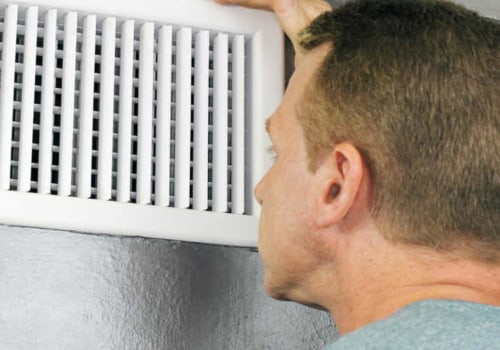
Another scenario that warrants duct cleaning is when you notice visible signs of contamination. If you see dust or debris around the vents or notice an increase in dust accumulation on surfaces throughout your home, it may indicate that your ducts are dirty.Additionally, if you observe mold growth around your vents or within the ductwork itself, it’s crucial to address this issue promptly. Mold can pose serious health risks, particularly for individuals with allergies or respiratory conditions.
Allergy and Asthma Symptoms
If you or a family member experiences worsening allergy or asthma symptoms, it might be time to evaluate the condition of your air ducts. While duct cleaning alone may not resolve these issues, it can be part of a broader strategy to improve indoor air quality. Before proceeding with duct cleaning, consult with a healthcare professional to determine if there are underlying issues that need to be addressed.Pest Infestations
Pests such as rodents or insects can find their way into your ductwork, leading to contamination and potential health hazards.If you suspect a pest problem in your home, it’s essential to address the infestation immediately and consider having your ducts cleaned afterward. This will help eliminate any droppings or debris left behind by pests.
Unusual Odors
If you notice strange odors emanating from your vents, this could indicate a buildup of organic material or even dead animals within the duct system. In such cases, duct cleaning is necessary not only for odor removal but also for ensuring that any potential health risks are mitigated.In summary, while regular duct cleaning may not be necessary for every household, certain situations—such as post-renovation dust accumulation, visible contamination, worsening allergy symptoms, pest infestations, and unusual odors—can warrant this service. Always assess the specific conditions in your home and consult with professionals when in doubt.If you notice strange odors emanating from your vents, this could indicate a buildup of organic material or even dead animals within the duct system. In such cases, duct cleaning is necessary not only for odor removal but also for ensuring that any potential health risks are mitigated.In summary, while regular duct cleaning may not be necessary for every household, certain situations—such as post-renovation dust accumulation, visible contamination, worsening allergy symptoms, pest infestations, and unusual odors—can warrant this service. Always assess the specific conditions in your home and consult with professionals when in doubt.Alternative Solutions for Maintaining Air Quality
Maintaining good air quality in your home is essential for your health and comfort.While duct cleaning is often marketed as a solution, there are several effective alternatives that can help you achieve cleaner indoor air without the potential risks associated with duct cleaning. Here are some practical tips for maintaining air quality:
- Regular HVAC Maintenance: Schedule routine maintenance for your HVAC system at least once a year. This includes checking and cleaning components such as the evaporator coils, condenser coils, and fan blades. A well-maintained system operates more efficiently and can help reduce airborne particles.
- Change Air Filters Frequently: One of the simplest yet most effective ways to maintain air quality is to regularly change your air filters.
Depending on usage, filters should be replaced every 1-3 months. High-efficiency particulate air (HEPA) filters are particularly effective at trapping dust, pollen, and other allergens.
- Use Air Purifiers: Consider investing in portable air purifiers equipped with HEPA filters. These devices can significantly reduce indoor pollutants and allergens, providing an additional layer of protection against poor air quality.
- Control Humidity Levels: Maintaining optimal humidity levels (between 30% and 50%) can help prevent mold growth and dust mites. Use dehumidifiers in damp areas of your home, such as basements, to keep moisture levels in check.
- Ventilation: Ensure proper ventilation in your home by opening windows when weather permits or using exhaust fans in kitchens and bathrooms.
This helps to circulate fresh air and reduce indoor pollutants.
- Avoid Indoor Pollutants: Be mindful of products that can contribute to indoor air pollution, such as tobacco smoke, certain cleaning products, and scented candles. Opt for natural cleaning solutions and ensure adequate ventilation when using chemical products.
Consulting Professionals: What to Look For
When considering duct cleaning, it’s crucial to consult with qualified HVAC professionals to ensure you receive reliable and effective service. However, not all duct cleaning services are created equal.Here are some essential factors to consider when choosing a reputable HVAC professional.
1.Verify Qualifications and Certifications
- Look for professionals who are certified by recognized organizations such as the National Air Duct Cleaners Association (NADCA). This certification indicates that they have undergone rigorous training and adhere to industry standards.
- Check if the technician has relevant licenses required by your state or local government. This ensures they are legally permitted to perform duct cleaning services.
2.Experience Matters
Inquire about the company’s experience in the field. A well-established company with a proven track record is more likely to provide quality service.
Ask how long they have been in business and how many duct cleaning jobs they have completed successfully.
3.Ask for References and Reviews
- Request references from previous clients to gauge their satisfaction with the service provided.
- Check online reviews on platforms like Google, Yelp, or the Better Business Bureau (BBB) to see what other customers have experienced.
4.Inquire About Their Cleaning Process
A reputable duct cleaning service should be transparent about their cleaning methods. Ask them:
- What equipment do they use?
- Do they follow NADCA guidelines?
- How do they ensure that dust and debris are contained during the cleaning process?
5.Get a Written Estimate
Before committing, request a detailed written estimate that outlines the services included, costs, and any potential additional fees. This helps avoid unexpected charges and ensures you understand what you’re paying for.
6.Beware of Red Flags
- Avoid companies that make exaggerated claims about the benefits of duct cleaning or offer extremely low prices that seem too good to be true.
- If a company pressures you into immediate service or offers unsolicited inspections, consider it a warning sign.
Conclusion: Making Informed Decisions About Duct Cleaning
In conclusion, understanding the realities of duct cleaning is essential for homeowners who want to make informed decisions regarding their HVAC systems. Throughout this article, we have explored various myths surrounding duct cleaning, revealing that many of the claims made by service providers lack scientific backing.It is crucial to recognize that while clean air ducts may seem beneficial, the actual impact on indoor air quality and energy efficiency is often overstated.One of the most significant takeaways is that duct cleaning is not a routine necessity for most households. The studies conducted by reputable health organizations have consistently shown that there is no substantial evidence supporting the need for regular duct cleaning. Instead, homeowners should focus on maintaining their HVAC systems through regular filter changes and addressing any underlying issues such as leaks or poor insulation.Moreover, the potential risks associated with duct cleaning should not be overlooked. The use of powerful equipment can inadvertently damage ductwork, leading to costly repairs.
Additionally, the process can stir up dust and allergens that may have settled, potentially exacerbating health issues rather than alleviating them.As you consider your options, it’s vital to consult with qualified professionals who can provide a comprehensive assessment of your HVAC system without pushing unnecessary services. If you suspect issues like mold or persistent air quality problems, seek targeted solutions rather than opting for broad duct cleaning services.Ultimately, making informed decisions about duct cleaning involves critically evaluating marketing claims and relying on credible research. By prioritizing regular maintenance and addressing specific concerns within your HVAC system, you can ensure a healthier living environment without falling victim to misleading advertisements.