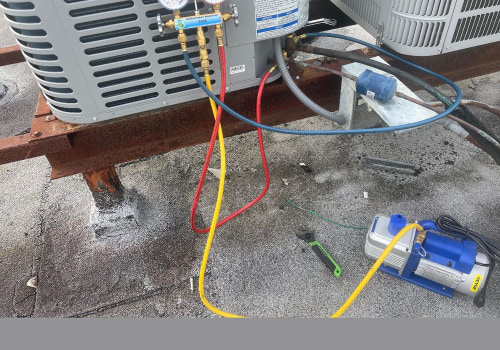
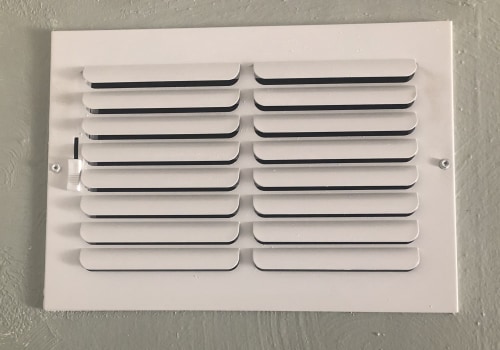
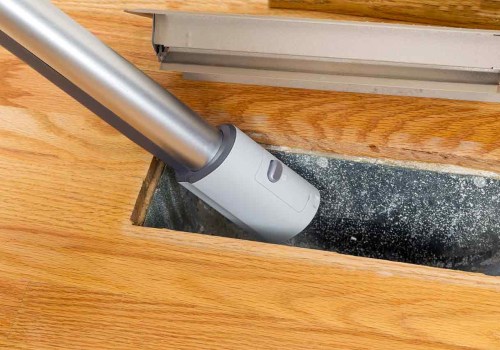
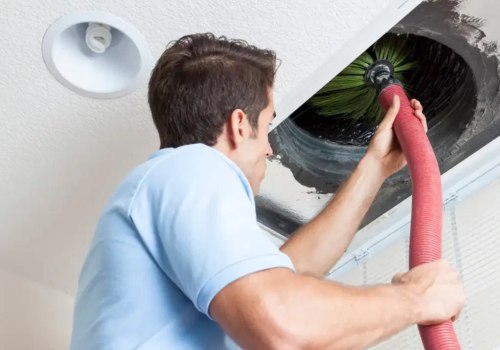
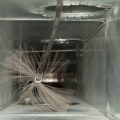
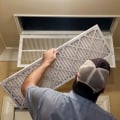
Air ducts are an integral component of heating, ventilation, and air conditioning (HVAC) systems, serving as the pathways through which conditioned air circulates throughout a building. These ducts are typically made from a variety of materials, including sheet metal, fiberglass, or flexible plastic, and they play a crucial role in maintaining a comfortable indoor environment. By effectively distributing heated or cooled air, air ducts help regulate temperature and humidity levels, ensuring that every room in a home or office receives adequate airflow.However, the significance of air ducts extends beyond mere temperature control; they also have a profound impact on indoor air quality. As air moves through the ducts, it can carry with it various pollutants such as dust, allergens, mold spores, and other contaminants.
This means that the cleanliness and integrity of your air ducts can directly influence the health and well-being of the occupants within the space. Poorly maintained ducts can lead to the circulation of dirty air, exacerbating respiratory issues and allergies.Understanding the role of air ducts in indoor air quality is essential for homeowners and building managers alike. Many people are unaware that the air they breathe indoors can be more polluted than outdoor air, primarily due to factors like inadequate ventilation and the accumulation of debris within duct systems. This highlights the importance of regular maintenance and inspection of air ducts to ensure they are functioning optimally.As we delve deeper into the topic of duct cleaning and its associated myths, it is vital to recognize that while air ducts are essential for effective HVAC operation, their condition can significantly affect indoor air quality.
By debunking common misconceptions surrounding duct cleaning, we can better understand how to maintain a healthy living environment.
Common Myths About Duct Cleaning
When it comes to air duct cleaning, numerous myths and misconceptions can cloud homeowners' judgment. Understanding these myths is essential for making informed decisions about your home's air quality and maintenance.Myth 1: Duct Cleaning is Always Necessary
One of the most prevalent myths is that duct cleaning should be performed regularly, regardless of the condition of the ducts. In reality, the need for cleaning depends on various factors, including:
- The presence of visible mold growth inside the ducts.
- Infestations of vermin such as rodents or insects.
- Excessive dust and debris that obstruct airflow.
- Recent renovations that may have introduced construction dust into the system.
Myth 2: Cleaning Ducts Will Significantly Improve Air Quality
Another common misconception is that cleaning air ducts will dramatically enhance indoor air quality. While removing dust and debris can help, it is important to note that air quality is influenced by many factors beyond just duct cleanliness.
Sources of indoor pollutants include:
- Cooking fumes.
- Household cleaning products.
- Pet dander and hair.
- Cigarette smoke.
- Outdoor air pollution that enters through windows and doors.
Myth 3: All Duct Cleaning Services Are the Same
The belief that all duct cleaning services provide the same level of quality is misleading. The effectiveness of duct cleaning largely depends on the methods used and the expertise of the service provider. Some companies may use inadequate techniques that fail to remove contaminants effectively or even worsen air quality by dislodging dust into the living space. Therefore, it’s crucial to choose a reputable service provider who follows industry standards and uses appropriate equipment.
Myth 4: Duct Cleaning Can Cause Damage
A common fear among homeowners is that duct cleaning can damage their HVAC systems.
While improper cleaning methods can indeed lead to issues such as dislodged insulation or damaged ducts, professional services that adhere to best practices are designed to minimize risks. It’s essential to ensure that any service provider you hire is qualified and experienced in handling your specific system.In conclusion, debunking these myths about duct cleaning helps homeowners make better decisions regarding their indoor air quality. By understanding when and why duct cleaning is necessary, you can maintain a healthier living environment without falling prey to misconceptions.
The Science Behind Duct Cleaning: What Research Says
Understanding the science behind duct cleaning is crucial for homeowners who want to make informed decisions about their indoor air quality. While many people assume that cleaning air ducts is a straightforward solution to improve air quality, the reality is more nuanced.Research and guidelines from reputable organizations like the Environmental Protection Agency (EPA)Environmental Protection Agency (EPA) provide valuable insights into when duct cleaning is beneficial and when it may not be necessary.The EPA has stated that there is no blanket recommendation for or against duct cleaning. Instead, they emphasize that duct cleaning should be considered on a case-by-case basis. According to their guidelines, duct cleaning is warranted if:
- There is visible mold growth inside the ducts or on other components of the heating and cooling system.
- There are vermin infestations, such as rodents or insects, present in the ducts.
- Dust and debris are obstructing airflow, which can lead to decreased efficiency of the HVAC system.
The researchers concluded that other sources of pollutants, such as outdoor air and household activities, play a more significant role in determining air quality.Moreover, another study conducted by the National Air Duct Cleaners Association (NADCA) indicated that improper duct cleaning methods could potentially release more dust and contaminants into the living space rather than removing them. This highlights the importance of hiring qualified professionals who adhere to industry standards when considering duct cleaning.In summary, while there are circumstances where duct cleaning can be beneficial, it is not a one-size-fits-all solution. Homeowners should carefully evaluate their specific situations and consult with experts to determine whether duct cleaning is necessary. By relying on scientific research and EPA guidelines, individuals can make informed choices that truly enhance their indoor air quality.
Signs That Your Air Ducts May Need Cleaning
Recognizing the signs that your air ducts may need cleaning is crucial for maintaining a healthy indoor environment.Here are some key indicators to watch for:
- Increased Dust Accumulation: If you notice a significant increase in dust settling on surfaces shortly after cleaning, it may indicate that your air ducts are harboring dust and debris. This dust can circulate through your home, affecting air quality.
- Unpleasant Odors: Foul smells emanating from your vents can be a sign of mold growth or other contaminants within the ductwork. If you detect musty or stale odors, it’s essential to investigate further.
- Visible Mold Growth: If you see mold on the vents or around the duct openings, it’s a clear indication that your air ducts need attention. Mold can pose serious health risks, especially for individuals with respiratory issues.
- Inconsistent Airflow: If certain rooms in your home feel stuffy or receive less airflow than others, it could be due to blockages in the duct system.
Cleaning may help restore balanced airflow throughout your home.
- Allergy Symptoms: Increased allergy symptoms among household members, such as sneezing, coughing, or itchy eyes, can be linked to poor indoor air quality caused by dirty air ducts. If these symptoms worsen when the HVAC system is running, it’s time to consider cleaning.
- Pest Infestations: The presence of insects or rodents in your ductwork can lead to contamination and health hazards. If you suspect pests have made their way into your ducts, cleaning is necessary to eliminate any potential health risks.
- Recent Renovations: Home renovations can generate a lot of dust and debris. If you’ve recently remodeled or done significant work in your home, it’s wise to check and clean your air ducts to remove any construction particles that may have settled inside.
Regular maintenance and timely cleaning can significantly enhance your home’s air quality and overall comfort.
The Risks of Improper Duct Cleaning
While the idea of cleaning your air ducts may seem straightforward, the reality is that improper duct cleaning can lead to a host of problems that may outweigh any potential benefits. Understanding these risks is crucial for homeowners who are considering this service.1.Damage to the HVAC System
One of the most significant risks associated with improper duct cleaning is damage to your heating, ventilation, and air conditioning (HVAC) system. If a technician lacks the necessary training or experience, they may inadvertently harm components of the system. For instance:
- Scratches and Dents: Using inappropriate tools or techniques can scratch or dent the ductwork, leading to air leaks that reduce efficiency.
- Dislodging Components: Inadequate cleaning methods can dislodge insulation or other components within the ducts, causing blockages or further contamination.
- Fan Damage: Excessive force during cleaning can damage fans and motors, resulting in costly repairs.
2.Increased Indoor Pollution
Another critical concern is that improper duct cleaning can actually increase indoor air pollution rather than decrease it.
If dust and debris are not removed correctly, they can be released back into your living space. This can lead to:
- Respiratory Issues: Dust, mold spores, and other allergens can exacerbate respiratory problems, particularly for individuals with asthma or allergies.
- Mold Growth: If moisture is introduced during the cleaning process without proper drying techniques, it can create an environment conducive to mold growth within the ducts.
- Pest Infestations: Improperly cleaned ducts may also attract pests like rodents or insects, which can further contaminate your indoor air.
3.Choosing a Qualified Duct Cleaner
The importance of hiring a qualified professional cannot be overstated. When selecting a duct cleaning service, consider the following:
- Check Credentials: Ensure that the company has proper certifications and training in duct cleaning.
- Read Reviews: Look for customer reviews and testimonials to gauge their reputation and reliability.
- Ask About Methods: Inquire about their cleaning methods and equipment to ensure they follow industry standards.
Best Practices for Air Duct Maintenance
Maintaining your air ducts is essential for ensuring optimal performance and preventing contamination. By following a few best practices, you can enhance the efficiency of your HVAC system and improve indoor air quality.Here are some effective tips for air duct maintenance :
- Regular Inspections: Schedule routine inspections of your air ducts at least once a year. A professional can identify any potential issues, such as leaks or blockages, that may affect airflow.
- Change Filters Frequently: Replace or clean your HVAC filters every 1-3 months, depending on usage. Clean filters help trap dust and allergens, preventing them from entering the ducts.
- Seal Ducts Properly: Ensure that all duct joints are sealed with appropriate materials to prevent air leaks. This not only improves efficiency but also reduces the risk of contaminants entering the system.
- Keep Vents Clear: Regularly check and clean your vents to ensure they are free from obstructions.
Furniture, curtains, and other items should not block airflow.
- Control Humidity Levels: Maintain indoor humidity levels between 30-50%. High humidity can lead to mold growth in ducts, while low humidity can cause dust to become airborne.
- Use a Dehumidifier: If you live in a humid climate, consider using a dehumidifier to help control moisture levels in your home, further preventing mold and mildew in the ducts.
- Avoid Chemical Cleaners: When cleaning around your air ducts, avoid using harsh chemical cleaners that can leave residues. Opt for natural cleaning solutions instead.
- Educate Household Members: Teach everyone in your home about the importance of keeping the air ducts clean. Simple habits like removing shoes before entering the house can significantly reduce dirt accumulation.
Remember that a well-maintained duct system not only enhances airflow but also contributes to a healthier living environment.
Frequently Asked Questions About Duct Cleaning
When it comes to duct cleaning, many homeowners have questions and concerns that can lead to confusion. Below are some of the most frequently asked questions regarding air duct cleaning, along with clear answers to help you make informed decisions.1.How often should I clean my air ducts?
The frequency of air duct cleaning largely depends on various factors, including your location, the presence of pets, and any allergies in your household. Generally, it is recommended to have your ducts cleaned every 3 to 5 years. However, if you notice significant dust build-up or experience respiratory issues, it may be wise to schedule a cleaning sooner.2.What are the signs that my air ducts need cleaning?
- Visible dust: If you see dust accumulating on vents or around your home, it may indicate that your ducts are dirty.
- Unpleasant odors: Foul smells coming from your HVAC system can suggest mold or other contaminants in the ducts.
- Increased allergy symptoms: If you or your family members experience worsening allergies or respiratory issues, dirty ducts could be a contributing factor.
3.Is duct cleaning necessary for everyone?
No, duct cleaning is not necessary for every household.The Environmental Protection Agency (EPA) does not endorse routine cleaning for all homes. Instead, it should be considered based on specific circumstances such as visible contamination or health concerns.
4.Can duct cleaning improve my indoor air quality?
Cleansing your air ducts can potentially enhance indoor air quality by removing dust and allergens that may circulate through your home. However, it is essential to note that duct cleaning is just one aspect of maintaining good air quality. Regular maintenance of your HVAC system and using high-quality air filters are also crucial.5.Are there any risks associated with duct cleaning?
If performed incorrectly by unqualified technicians, duct cleaning can lead to more harm than good.Improper techniques can release dust and contaminants back into the living space or even damage the ductwork itself. Always choose a reputable service provider who follows industry standards.
6.What should I look for in a duct cleaning service?
- Certification: Ensure the company is certified by a recognized organization.
- Experience: Look for companies with a proven track record in duct cleaning.
- Transparent pricing: A reliable service provider should offer clear pricing without hidden fees.
Conclusion: Making Informed Decisions About Duct Cleaning
In summary, the conversation surrounding duct cleaning is often clouded by misconceptions and a lack of comprehensive understanding. As we have explored throughout this article, it is crucial to approach the topic with a discerning eye and a commitment to informed decision-making.First and foremost, it is essential to recognize that while cleaning air ducts can be beneficial in certain situations, it is not universally necessary. The Environmental Protection Agency (EPA) does not endorse routine duct cleaning as a standard practice, emphasizing that the need for such services should be evaluated on a case-by-case basis.Factors such as the presence of visible mold, excessive dust accumulation, or specific health concerns should guide your decision.Moreover, understanding the potential sources of indoor air pollution is vital. Many pollutants originate from everyday activities within the home, such as cooking, cleaning, and even outdoor air infiltration. Therefore, focusing solely on duct cleaning may overlook other significant contributors to poor indoor air quality.When considering duct cleaning, it is also important to choose a qualified service provider. A reputable company will follow industry standards and best practices to ensure that the cleaning process does not inadvertently introduce more contaminants into your living space.
Always ask for references and verify credentials before hiring a service.Ultimately, the decision to clean your air ducts should be based on a thorough assessment of your home’s unique circumstances. If you suspect that your indoor air quality is compromised or if you experience unexplained health issues, consulting with a healthcare professional or an indoor air quality expert can provide valuable insights.In conclusion, being well-informed about duct cleaning allows homeowners to make decisions that truly benefit their living environment. By weighing the facts against common myths and considering individual needs, you can take proactive steps toward maintaining a healthy home.